






 Uncut Radio

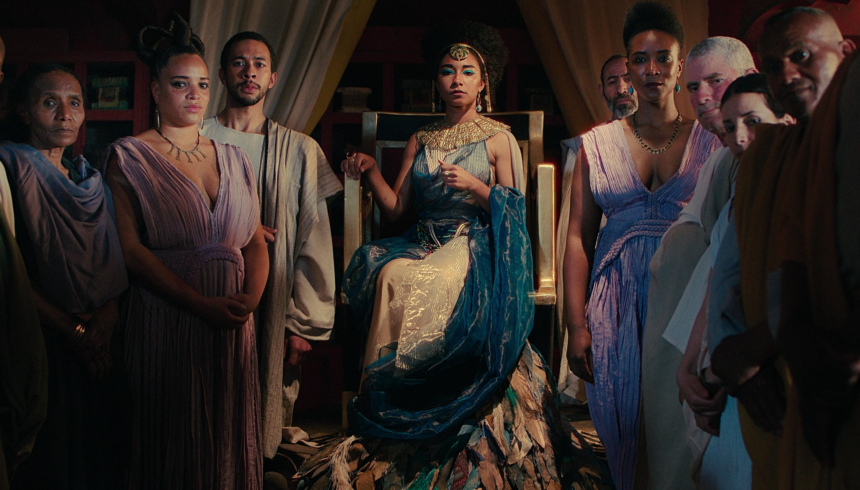
The 4-part Netflix docudrama series, “Queen Cleopatra,” is all about the life of Cleopatra, one of the most renowned female rulers in ancient history.
Set during a time when Julius Caesar held significant power in Rome, the series follows Cleopatra, a precocious member of the Ptolemy ruling family in Egypt.
As her family is torn apart by internal conflicts and power struggles, Cleopatra, at the age of seventeen, finds herself in a covert war against her younger brother, Ptolemy XIII, whom she was supposed to share the throne with.
Determined to claim sole power, Cleopatra goes through a treacherous path while contending with her younger sister, Arsinoe, and her conniving aide.
Cleopatra then enters into a relationship with Caesar.
The series expertly weaves re-enactments with insights from scholars in various fields.
A review
“Queen Cleopatra,” took a unique approach by exploring the life of Cleopatra through a feminist lens.
It is important to note that the portrayal of Cleopatra as a black woman has sparked controversy among some viewers who argue that historical evidence suggests she had a different ethnic background.
The series aimed to engage viewers with an in-depth exploration of Cleopatra’s life, albeit with a dramatic flair.
While some may find the series too focused on personal relationships and lacking historical accuracy, it still offered an intriguing exploration of Cleopatra’s character and the challenges she faced during her reign.
(Watching the series provided enlightenment about Cleopatra
It offered insights into her life, the historical events, and the power dynamics of the time.
Overall, Watching the documentary was a challenging experience as it heavily relied on a feminist ideology that overshadowed the historical accuracy of the events, that was really evident.
The show tried to present itself as informative and factual, but the script’s inconsistencies and lack of attention to detail left a lot to be desired.
For instance, portraying a eunuch with a beard seems implausible and makes it hard for viewers to take the show seriously.
Additionally, the pacing is painfully slow, making it feel like an unengaging educational film.
The presentation of the documentary gave the impression of a Sunday school narrative; slow and simplistic.
The actors gave their best efforts to bring the script to life.
The recent release of two documentaries on African Queens produced by Jada Pinkett Smith has generated significant criticism.
Many have questioned how and why Netflix accepted these documentaries despite their perceived inaccuracies.
Concerns have been raised about the potential for more “African Queens” stories from Jada Pinkett Smith in the future.
Is there a genuine necessity for additional “African Queens” stories?
If you possess a critical mind, intelligence, and a passion for historical narratives, you may be able to identify issues or shortcomings within this documentary.
Watched a film and you would like to send in your review?

Write to us!

uncutmediake@gmail.com or info@uncutmedia.live