






 Uncut Radio

Advertising has undergone a seismic shift in recent years, driven by the rapid growth of digital platforms for information and entertainment.
Traditional TV advertising, once the cornerstone of marketing strategies, is facing unprecedented challenges as audiences migrate to online channels.
This shift has resulted in a significant loss of revenue for mainstream media, as brands increasingly turn to influencers and online personalities to reach consumers.
The Rise of Digital Media
The spread of smartphones, high-speed internet, and social media platforms has transformed how people consume content.
Audiences now prefer the flexibility and interactivity of digital media over traditional TV broadcasts.
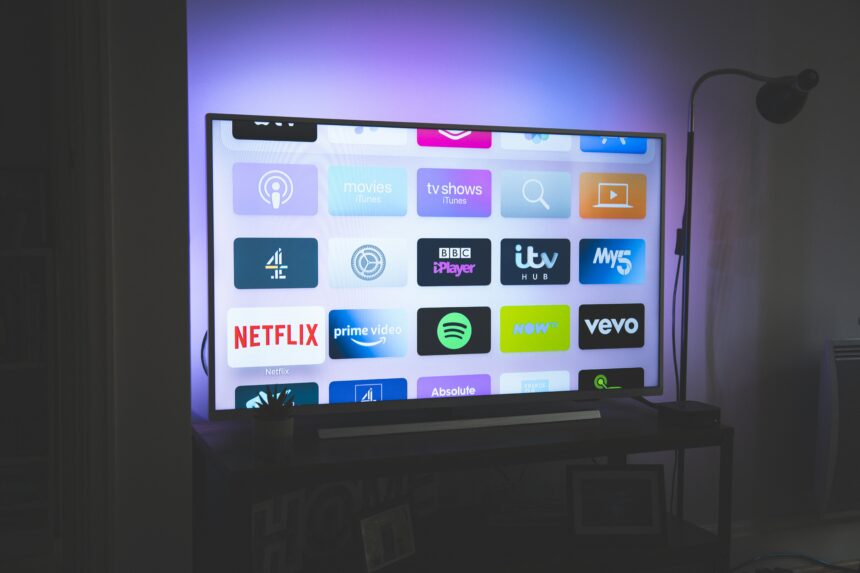
Streaming services like Netflix, YouTube, and social media platforms such as Instagram, TikTok, Twitch, Rumble, YouTube and have become primary sources of entertainment and information.
News consumption has also shifted significantly, as most people now prefer online sources for their speed and relevance.
This migration has led to a decline in TV viewership, particularly among younger demographics who are more inclined to engage with content on demand.
As a result, advertisers are reallocating their budgets to digital channels where they can achieve more targeted and measurable results.
The Shift to Influencer Marketing
One of the most notable changes in advertising is the rise of influencer marketing.
Brands are leveraging the reach and influence of social media personalities to promote their products.
Influencers, who often have loyal and engaged followers, provide an authentic and relatable avenue for advertising.
This form of marketing has proven to be highly effective, especially for reaching niche audiences.
Influencer marketing offers several advantages over traditional TV ads:
- Targeted Reach: Brands can collaborate with influencers who align with their target demographic, ensuring more relevant and impactful advertising.
- Cost-Effectiveness: Influencer campaigns can be more affordable than traditional TV ads, especially for smaller brands.
- Engagement: Influencers often have high engagement rates, with followers who trust their recommendations, leading to better conversion rates.
The Decline in TV Advertising Revenue
The shift towards digital and influencer marketing has taken a toll on TV advertising revenue.
Mainstream media outlets are witnessing a decline in ad spend as brands prioritize digital platforms. According to a report by eMarketer, TV advertising spending is projected to decrease steadily as digital ad spending continues to rise.
This decline is compounded by the increasing use of ad-blocking technology and the changing viewing habits of consumers, who are more likely to skip or ignore TV ads.
Traditional broadcasters are struggling to adapt to these changes, as they compete with the agility and innovation of digital platforms.
The Future of TV Advertising
The future of TV advertising hinges on the ability of traditional media to innovate and integrate with digital trends.
While the decline in TV advertising revenue is likely to continue, there are several strategies that mainstream media can adopt to mitigate the impact:
- Hybrid Models: Integrating digital elements into TV advertising, such as interactive ads and shoppable TV, can enhance viewer engagement and provide measurable results.
- Data-Driven Advertising: Leveraging data analytics to offer targeted TV ads can help advertisers reach specific audiences more effectively.
- Collaborations with Digital Platforms: Partnering with digital platforms to offer cross-channel advertising solutions can expand the reach and effectiveness of campaigns.
- Original Content and Streaming Services: Investing in original content and launching proprietary streaming services can attract viewers and advertisers alike.
The digital revolution has undeniably disrupted traditional TV advertising, leading to a significant loss of revenue for mainstream media. The rise of influencer marketing and the preference for digital content have reshaped advertising.
While the outlook for TV advertising remains challenging, there are opportunities for innovation and adaptation. By embracing digital trends and leveraging data-driven strategies, traditional media can find new ways to engage audiences and sustain their advertising revenue in the evolving market.
The decrease in revenue for mainstream TV has unfortunately resulted in job losses and restructuring. Mainstream media are now seeking ways to continue operating despite the declines, and sadly, some stations have been forced to shut down. The Impact of Digital Shifts on TV Advertising: Mainstream Media Faces Revenue Decline
READ MORE
- Robert Pattinson Could Be the James Bond the Franchise Needs

- Netflix Shows and Movies Taking Over Streaming in Kenya

- ‘Little High’ Finds Comedy and Heartbreak in One Nairobi Afternoon

- DStv Kenya Overhauls Subscription Packages in Major Pricing Change

- Live Streaming, Audience Engagement and the Fight for Attention

- Netflix “East of Eden” and 2 Other Shows Trending Now

- Apple TV Is Finally Legal in Kenya. Was It Worth the Wait?

- 2026 Emmys Recap: Winners, Records, No Actors of Color in Top Prizes

- Beauty in Black Season 3 Review Roundup Plus Netflix’s Other Top Trending Shows