






 Uncut Radio


Monsters: The Lyle and Erik Menendez Story Review — Who Were the True Monsters: The Parents or the Brothers? Are monsters made or are they born?
If you’ve streamed all nine episodes of Monsters: The Lyle and Erik Menendez Story, you’re likely left with one haunting question: Who were the true villains in this haunting family tragedy?
Most of us don’t even know the story, but are only able to derive an opinion from watching the limited series.

Ryan Murphy and Ian Brennan tell the real-life story of Lyle and Erik Menendez; two brothers convicted in 1996 of murdering their parents, José and Mary Louise “Kitty” Menendez.
What initially seems like a straightforward case of greed-driven murder quickly unfolds into a complex web of abuse, trauma, and manipulation.
The series does a masterful job of presenting multiple perspectives, forcing viewers to consider whether Lyle and Erik were cold-blooded killers motivated by the desire to inherit their parents’ wealth or victims of unspeakable abuse who felt pushed to the brink.
The Brothers’ Story: Villains or Victims?
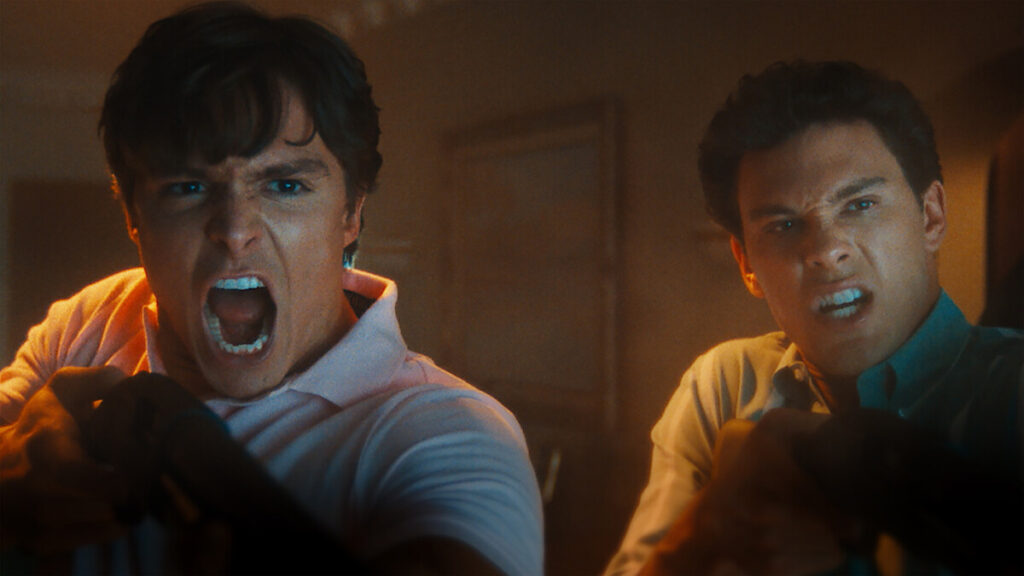
From the moment the series begins, the brothers’ defense is clear: their actions were not driven by greed, but rather by years of physical, emotional, and sexual abuse at the hands of their parents, particularly their father, José Menendez (played by Javier Bardem).
Throughout the show, the narrative builds a case that Lyle (Nicholas Alexander Chavez) and Erik (Cooper Koch) were trapped in a cycle of fear, living under the constant threat of their father’s cruelty and their mother’s emotional instability.
They claim they killed their parents to escape this torment, not to secure their fortune.
Murphy and Brennan don’t shy away from showcasing the raw fear that these brothers say they felt — fear that allegedly drove them to murder.
The show is full of flashbacks of abuse and scenes of control and manipulation that paint the Menendez household as a breeding ground for tragedy.
But the question remains: did this abuse actually happen, or was it a calculated move by the brothers to win sympathy during their trial?
The Parents: Doting or Dangerous?
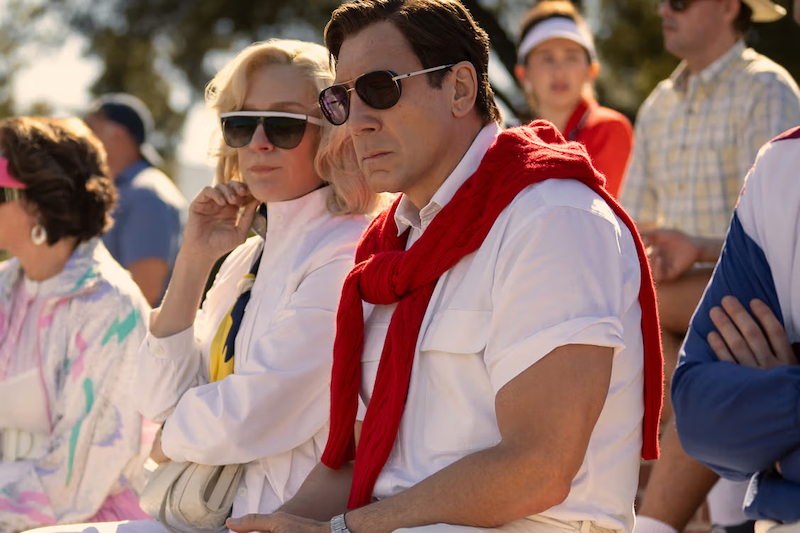
On the flip side, the series presents the prosecution’s perspective, especially in the climactic finale, where prosecutor David Conn (Paul Adelstein) argues that José and Kitty Menendez were nothing but loving, doting parents.
According to Conn, the brothers’ claims of abuse were fabricated, a desperate bid to avoid the consequences of their premeditated, greed-fueled crime.
Conn’s argument persuades the jury, leading to the brothers’ conviction for first-degree murder.
Through the prosecutor’s lens, José and Kitty are far from the monsters that Lyle and Erik describe.
Instead, they are portrayed as affluent, loving parents whose sons ruthlessly gunned them down in a plan to inherit their fortune.
In this version of the story, it is Lyle and Erik who emerge as the villains.
NO Clear Answers
What makes Monsters so compelling is its refusal to offer easy answers.
The show, much like the real-life case, is ambiguous and leaves room for doubt.
Murphy has stated that the goal was not to pass judgment, but rather to explore how monsters are made, not born; I partly agree with him on this.
Most crime documentaries focus on serial killers, abusers, and other forms of human evil, but when they share into the backstory, their upbringing often reveals a troubled or abusive childhood, showing the unfair circumstances they endured.

The series presents the audience with multiple perspectives, asking them to decide for themselves whether Lyle and Erik were true victims or cunning manipulators.
In the end, Monsters: The Lyle and Erik Menendez Story offers no definitive answers. The audience is left with the unsettling realization that the truth is elusive, known only to Lyle and Erik.
The show’s ambiguity is its strength, reminding us that monsters aren’t always easy to identify.
Whether the Menendez brothers were cold-blooded killers or tragic victims, the series raises the question: can both be true?
RECEPTION
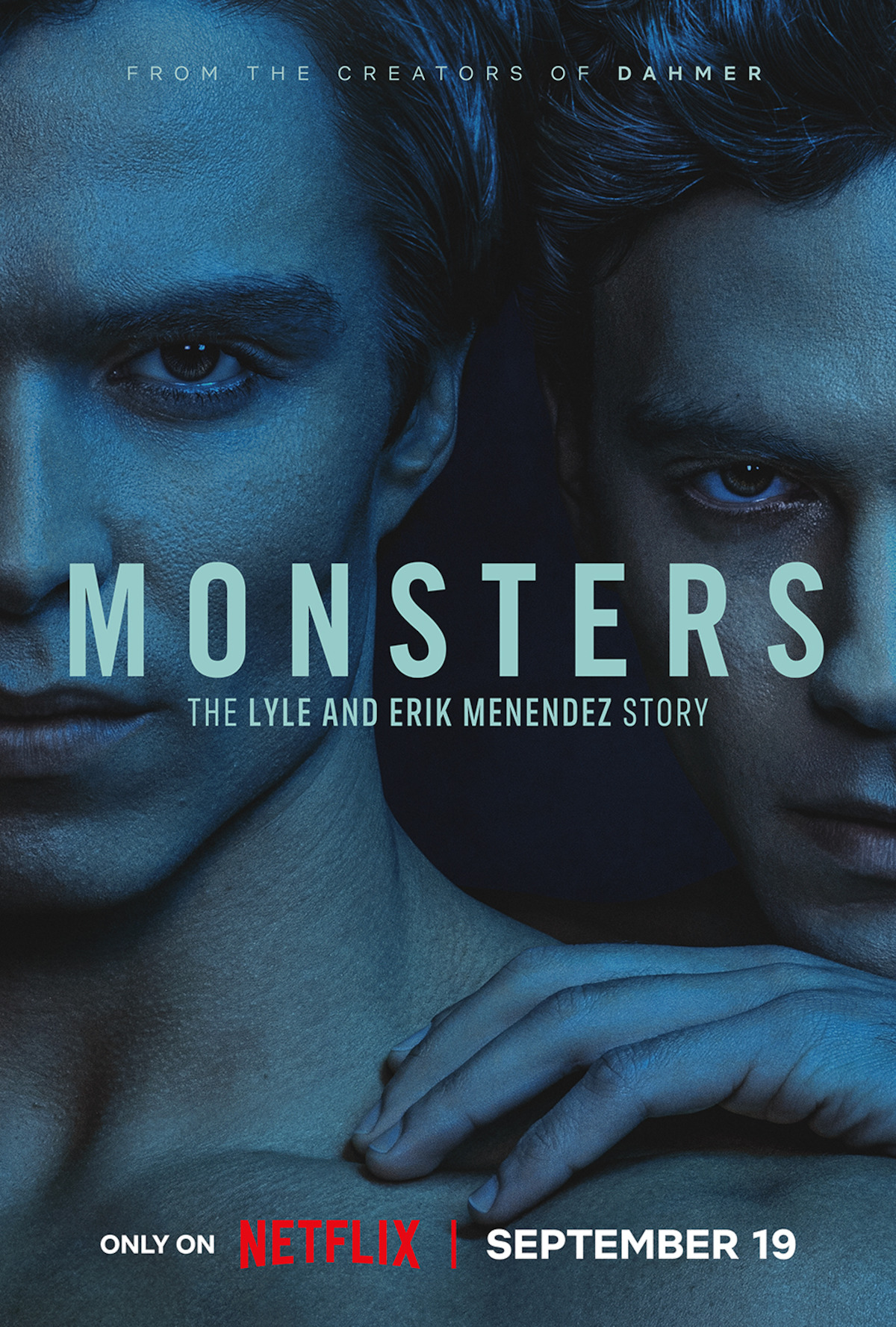
Erik Menendez has criticized Netflix and Ryan Murphy for their “dishonest portrayal” of him and his brother Lyle, Cosmopolitan reports.