



 Uncut Radio

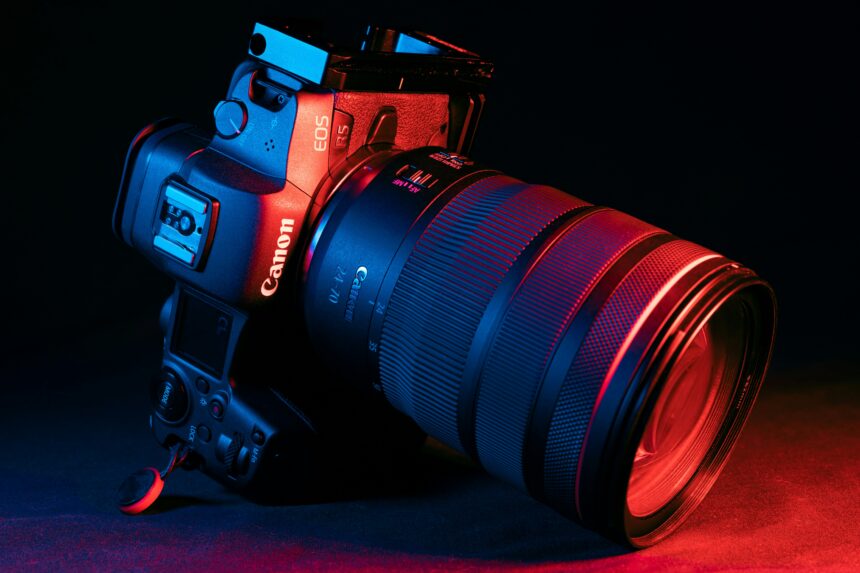
Lighting Hacks for Photography – Lighting plays a crucial role in photography, setting the mood, defining the subject, and improving the quality of your pictures.
Whether you’re a beginner or an experienced photographer, mastering lighting techniques can dramatically improve your photos.
Here’s a guide on how to effectively use lighting to enhance and take better pictures.
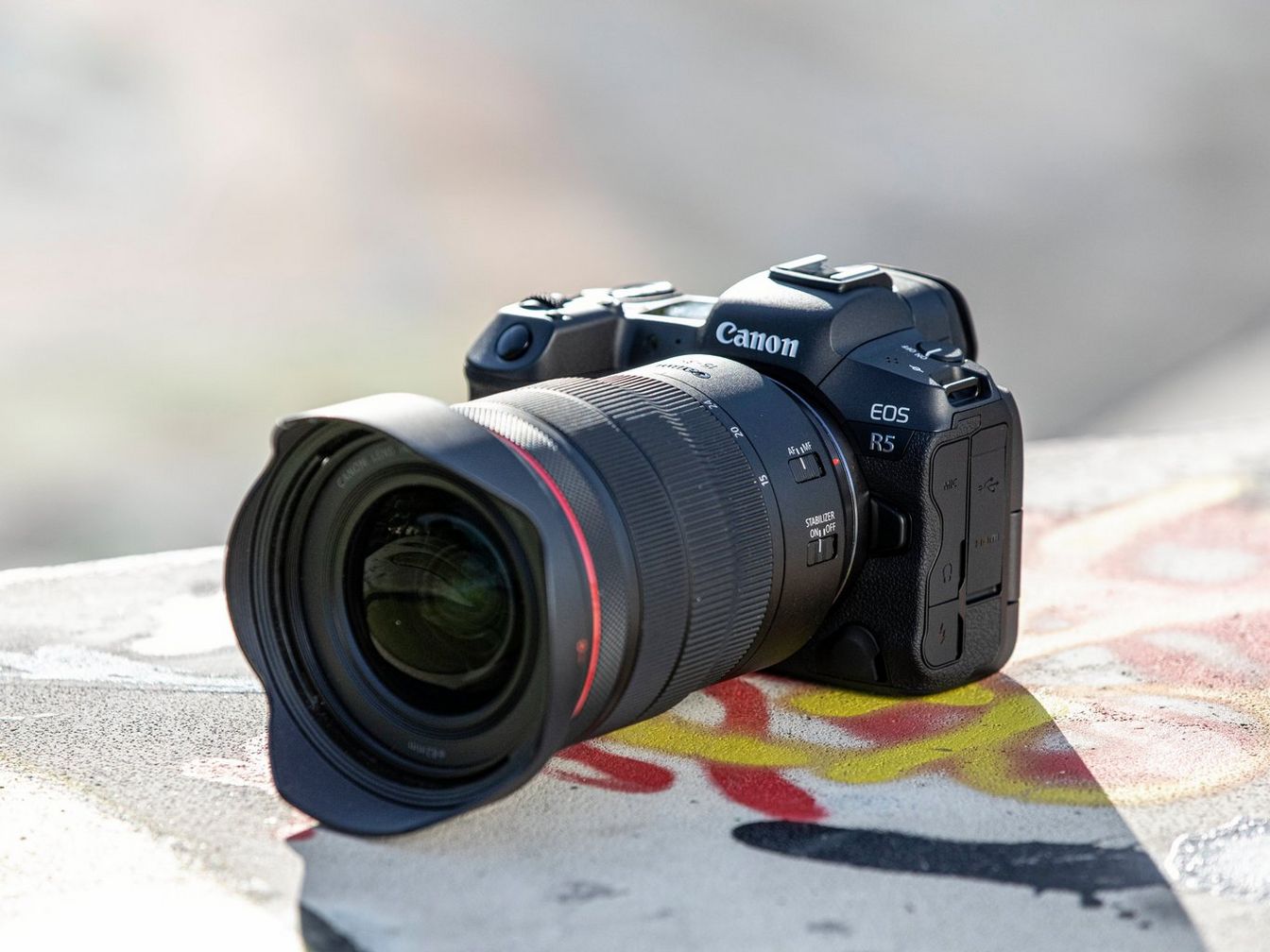
Types of Lighting
- Natural Lighting: The sun is one of the best sources of natural light. The time of day significantly affects the quality and direction of light. Early morning (golden hour) or late afternoon sunlight provides soft, warm lighting that is flattering for portraits and landscapes.
- Artificial Lighting: This includes everything from lamps, LEDs, to studio lighting. Artificial light can be controlled, making it ideal for indoor or low-light situations.
- Diffused Light: Light that is softened by passing through a translucent object (like a curtain or softbox) reduces harsh shadows, giving your photos a smooth, professional finish.
- Hard Light: Direct, undiffused light creates strong shadows and adds dramatic contrast to your images, which can be used creatively for striking effects.
Direction of Light Matters
- Front Lighting: The light source is in front of your subject, evenly illuminating it. This minimizes shadows and is ideal for capturing details in portraits or product photography. However, it can make images look flat if overdone.
- Side Lighting: Lighting from the side adds dimension to your subjects, creating more interesting textures and contrast. This technique works great for artistic portraits, food photography, and still life shots.
- Backlighting: Placing the light source behind your subject creates a silhouette or adds a soft glow around the edges. Use this to create dramatic photos, especially during sunrise or sunset.
- Top and Bottom Lighting: Lighting from above can simulate natural light from the sun, often creating shadows that define facial features. Lighting from below is unconventional and is commonly used for horror or moody effects.
Use the Golden Hour for Soft Lighting
The “golden hour,” just after sunrise and before sunset, offers soft, diffused light that’s perfect for outdoor photography.
During this time, the sunlight is warmer and less intense, reducing the need for artificial lighting.
This is a favorite time for portrait and landscape photographers because it creates a flattering, natural glow.
Utilize Reflectors and Diffusers
- Reflectors: These bounce light back onto your subject, filling in shadows and balancing the light source. You can use professional reflectors or DIY ones, such as white poster boards or even large sheets of aluminum foil.
- Diffusers: Diffusers soften harsh light by scattering it. You can use dedicated diffusers or items like a thin white sheet, window curtain, or softbox to spread light evenly.
Experiment with Light Intensity
- Low-Intensity Light: Soft lighting is great for creating a calm, relaxed atmosphere, perfect for portraits, newborn photography, or romantic settings. Dim the lights or use a softbox for this effect.
- High-Intensity Light: For vivid colors, high-energy photos, or fast-moving action shots, increase the light’s intensity. Bright, direct light highlights every detail, useful in sports, fashion, and product photography.
Master Shadows and Contrast
Shadows are an important part of photography that can add depth, mystery, or mood to an image. Play around with shadows by adjusting the angle and distance of your light source. Strong contrast between light and dark areas (chiaroscuro) is often used in black-and-white photography or in creating moody, dramatic shots.
Avoid Harsh Lighting Indoors
Indoor lighting, especially from overhead lights or lamps, can cast unflattering shadows on your subject. Here’s how to avoid this:
- Use soft, diffused light sources.
- Position lamps at eye level rather than above.
- Add fill light to remove any unwanted shadows, especially in portrait photography.
Lighting can convey emotion and narrative in your photos:
- Bright, natural light often represents happiness, openness, or purity.
- Low-key lighting (where much of the frame is dark except for the subject) suggests mystery, tension, or intimacy.
- Warm lighting (yellows, oranges) creates a cozy, inviting atmosphere.
- Cool lighting (blues, greens) gives a sense of calm or sadness.
Invest in Basic Lighting Gear
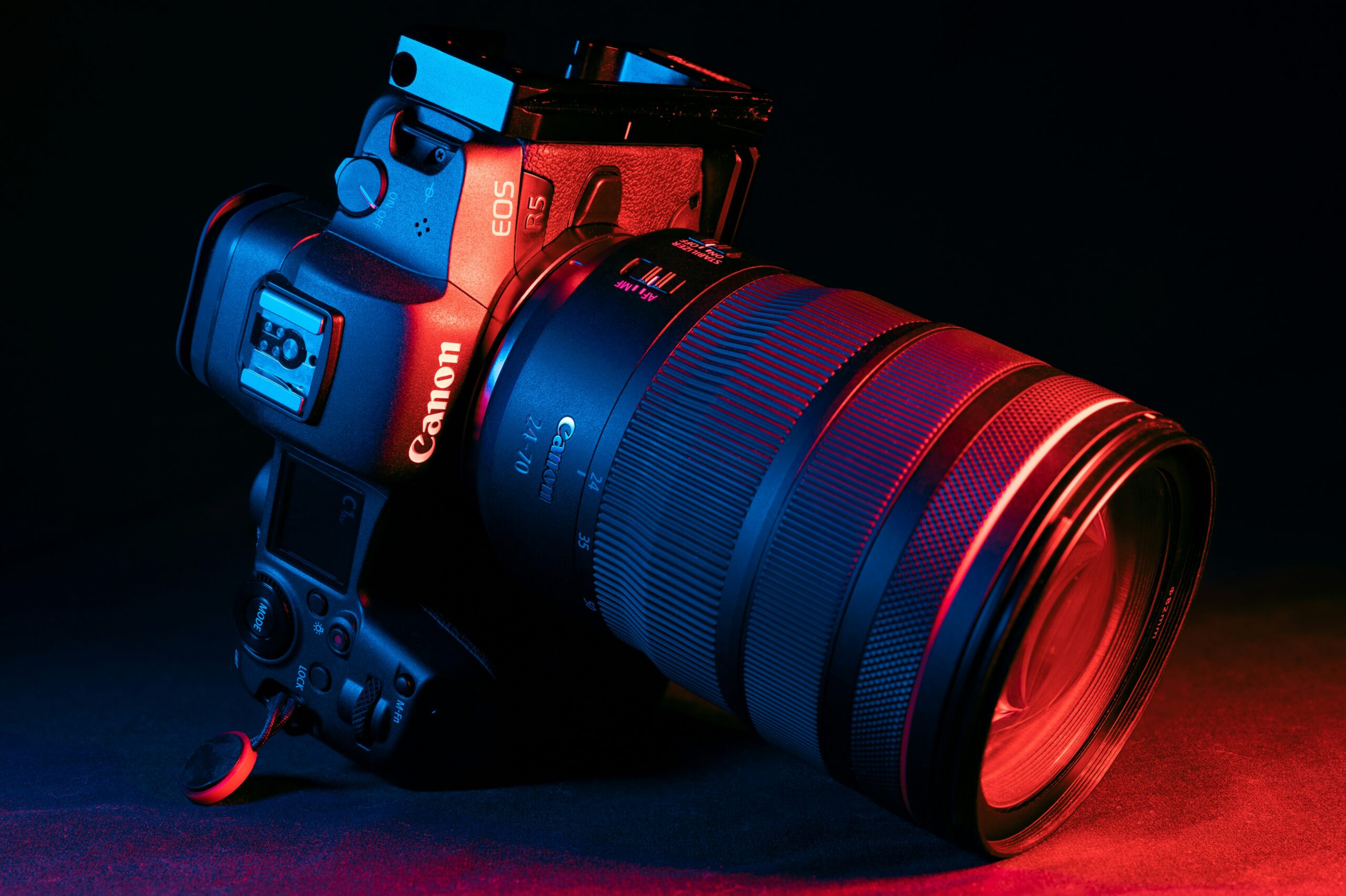
If you’re serious about improving your photography, consider investing in lighting equipment:
- Ring Lights: Great for evenly lighting your subject, ideal for portraits and vlogging.
- Softboxes: These diffuse light to create a soft, professional-quality look.
- LED Panels: They provide consistent, adjustable lighting, perfect for video shoots or indoor photography.
- Speedlights: Portable flashes that can be directed or diffused for creative lighting effects.
Experiment with Creative Lighting Techniques
- Light Painting: In a dark environment, use long exposure and a small light source (like a flashlight) to “paint” or highlight parts of your image.
- Colored Gels: Attach color filters to your light sources to add a creative, dramatic effect to your images.
MORE Canon’s Photography Lighting techniques