





 Uncut Radio


Streaming in 2026: What Changes Next?
Streaming feels very different now than it did even a few years ago. What once looked like endless growth and experimentation has settled into something more calculated and competitive.
As someone who works closely with media and content, these shifts aren’t abstract trends, they directly affect how stories are produced, funded, and discovered. Looking ahead to 2026, the changes across major streaming platforms are subtle but significant, and they are quietly reshaping the relationship between creators, audiences, and mainstream media.
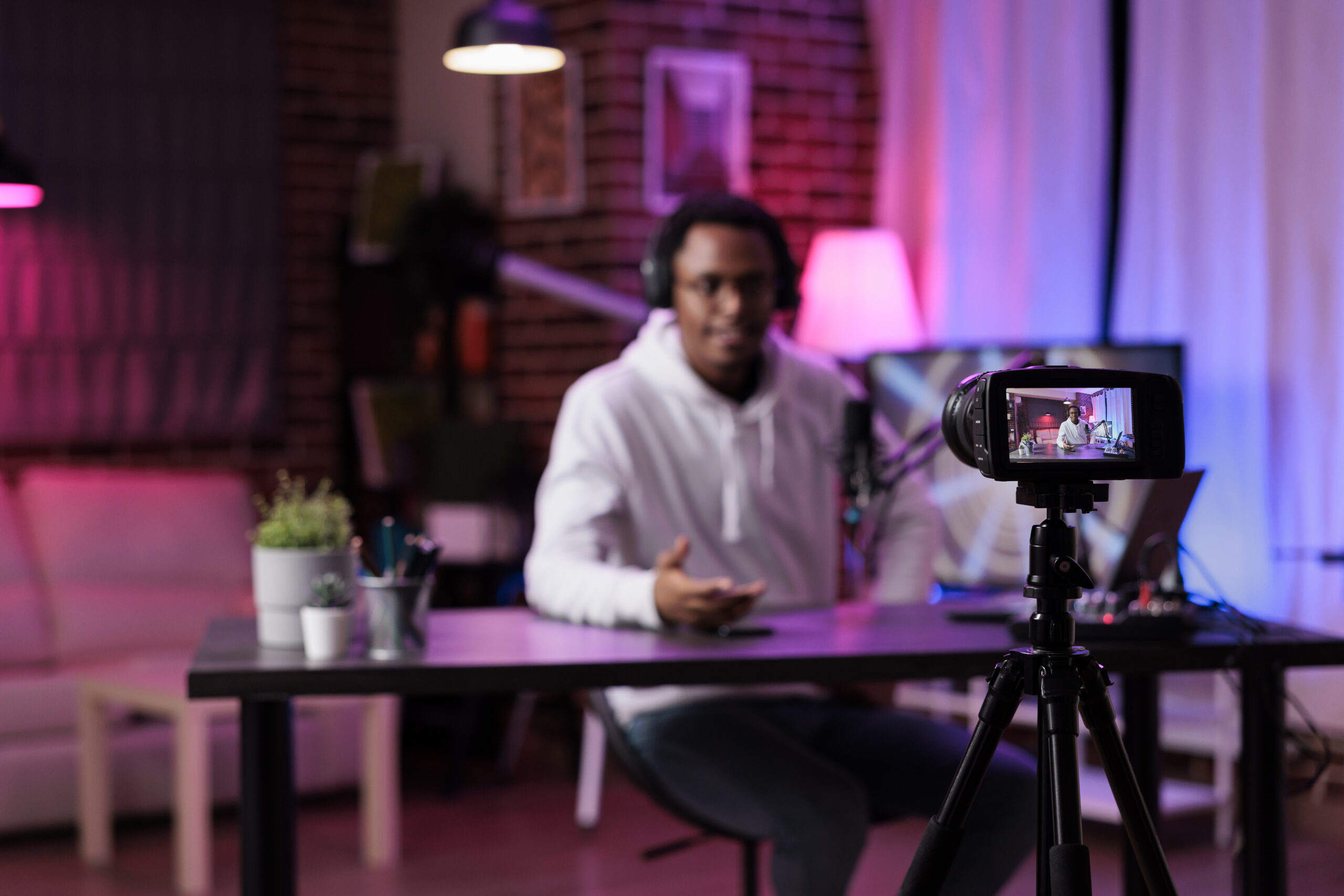
By 2026, global streaming platforms are settling into a more mature phase.
Growth is no longer just about adding subscribers, but about keeping attention in an increasingly crowded market.
One major shift is consolidation.
Large platforms like Netflix, YouTube, and Amazon are refining bundles, partnerships, and tiered pricing to reduce churn.
Ad-supported plans are no longer experimental; they are becoming central to revenue strategies, especially in price-sensitive markets.
Content strategies are also tightening.
Platforms are investing less in volume and more in formats that reliably hold audiences. Shorter series, limited runs, and familiar IP are favored over risky long-term bets.
At the same time, YouTube continues to blur the line between traditional TV and creator-led content, attracting advertisers once reserved for broadcast media.
Live streaming is expanding beyond gaming.
Twitch, YouTube Live, and TikTok Live are becoming key spaces for sports commentary, cultural events, and real-time audience interaction.
This shift is pulling younger audiences away from scheduled television and radio.
Data and automation play a bigger role as well.
AI-driven recommendation systems are being fine-tuned to prioritize retention rather than discovery alone.
Some platforms are also using AI for subtitling, localization, and content moderation, reducing costs while scaling globally.
For mainstream media, the impact is clear and has been for a long time to be honest.
Control over distribution continues to weaken, while platforms gain influence over what gets seen, funded, and monetized.
In 2026, streaming is less about disruption and more about restructuring how media is made, priced and consumed.
More From Our Brands