






 Uncut Radio


Africa’s Streaming Crisis and What Comes Next
After Showmax: Does African Film Have a Future?
For more than a decade, Showmax was positioned as Africa’s answer to global streaming platforms.
It was built to showcase African stories, support local filmmakers, and prove that the continent could sustain its own digital entertainment ecosystem.
But the platform has struggled to achieve commercial stability.
Relaunched in 2024 at significant cost by MultiChoice in partnership with Comcast’s NBCUniversal, the service has faced mounting financial pressure and intense competition from global streaming giants.
According to financial reports, Showmax recorded billions of rand in trading losses in recent years, spending far more on production and distribution than it generated in revenue.
What does the platform’s struggles mean for African filmmakers, writers, and directors who believed the continent was finally building a sustainable industry of its own?
Over the past few years, global streaming platforms have scaled back their ambitions in Africa.
Amazon MGM Studios stepped away from African originals. Disney+ launched in South Africa but has not expanded across the continent. Other major services, including HBO Max and Paramount+, have never entered the African market.
What remains at scale is largely Netflix. But even a global giant cannot carry the weight
of an entire continent’s creative industry.
The truth is that African content has not yet broken into global markets in a consistent and sustained way.
There have been important moments.
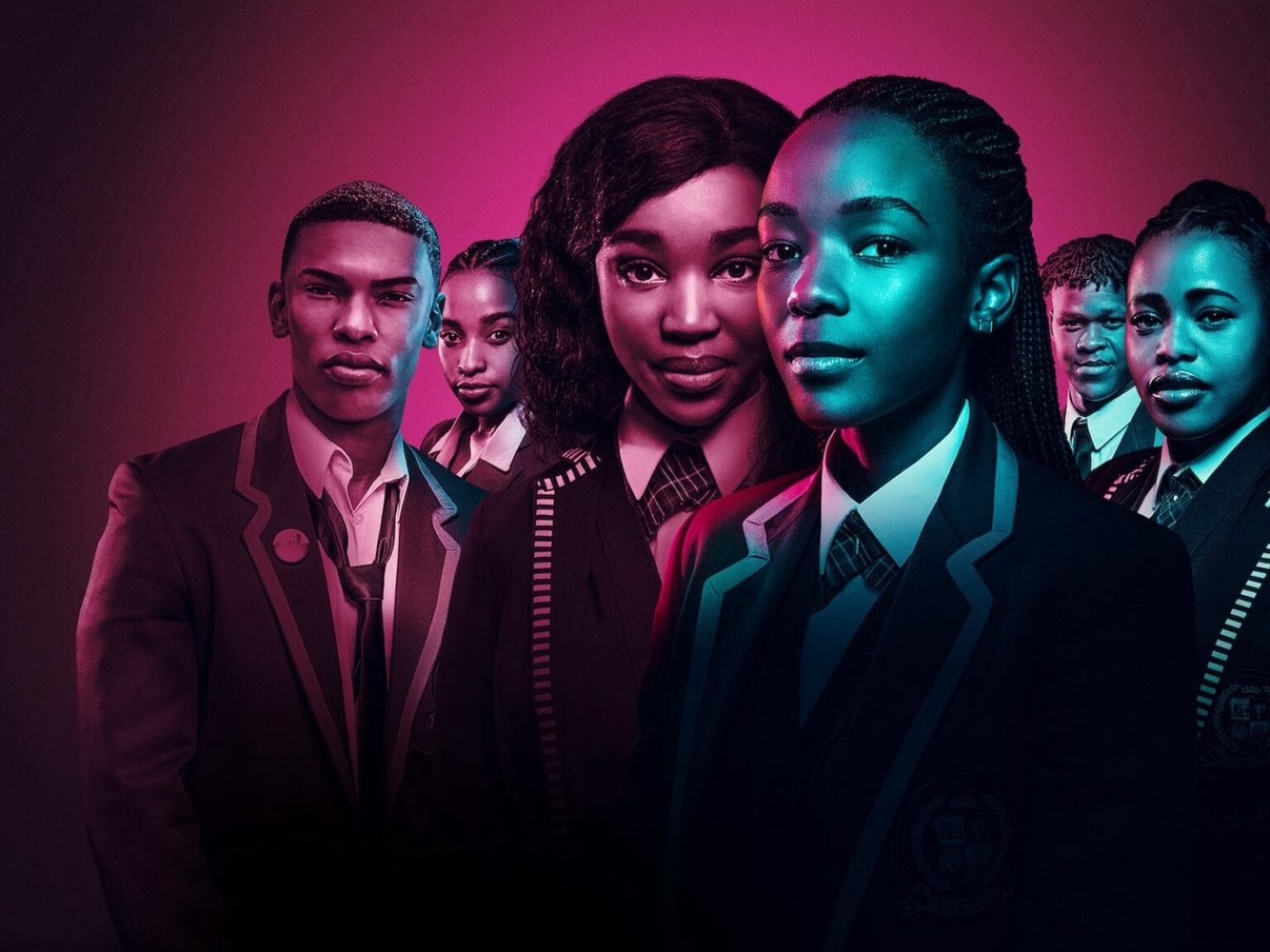
Nigeria’s The Black Book spent several weeks among Netflix’s most-watched titles worldwide. South African productions such as Blood & Water, Savage Beauty, Unseen, Queen Sono, and Kings of Jo’Burg have also gained international attention.
Individual hits do not build an industry. They remain exceptions rather than a consistent trend.
Part of the challenge is structural. Broadband access across much of Africa remains limited, mobile data is expensive, and local streaming platforms cannot match the spending power of global competitors.
There is also a deeper creative challenge. When external platforms determine how African stories are commissioned and distributed, narratives often shift to appeal to global audiences rather than reflecting the realities of local communities.
Stories that resonate with international viewers may succeed, but many others stories rooted in everyday African life struggle to find funding or distribution.
Waiting for the next global platform to solve this problem is unlikely to work.
If African film and television are to thrive, governments, broadcasters, and private investors may need to treat the industry as cultural infrastructure.
Countries like South Korea invested heavily in their domestic entertainment industries long before K-dramas became a global phenomenon.
Africa may need a similar long-term strategy.
That could include stronger public funding for film production,
incentives for local broadcasters, and the creation of pan-African distribution systems that allow content from one country to reach audiences across the continent.
A Kenyan series, for example, should be able to reach viewers in Ghana or Senegal without needing approval from a European or American platform.
There are signs that new ideas are emerging. Canal+ has outlined plans for a streaming platform focused on African audiences, while Netflix continues to invest in a slate of African productions.

No single platform will be enough to sustain the continent’s creative sector.
Africa already has the talent, the stories, and a growing audience.
What remains missing is the infrastructure, investment, and ownership needed to build platforms that are not entirely dependent on external gatekeepers.
The struggles of Showmax may be painful for the industry, but they also offer an important moment of clarity.
If Africa wants a film industry that lasts, it will eventually need to build one that it truly controls.