






 Uncut Radio

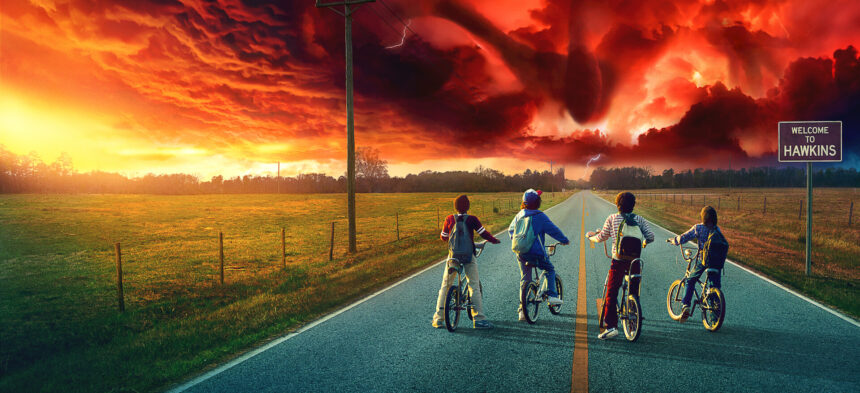
Netflix Expands Stranger Things Universe
Stranger Things ended on December 31, 2025, bringing the main story in Hawkins to a close.
While the series has concluded, Netflix is continuing to expand the franchise through new projects.
The company has invested heavily in the Stranger Things brand over the years through subscriptions, merchandise, licensing, and other commercial partnerships.
Rather than ending the franchise completely, Netflix is building on its popularity with additional content.
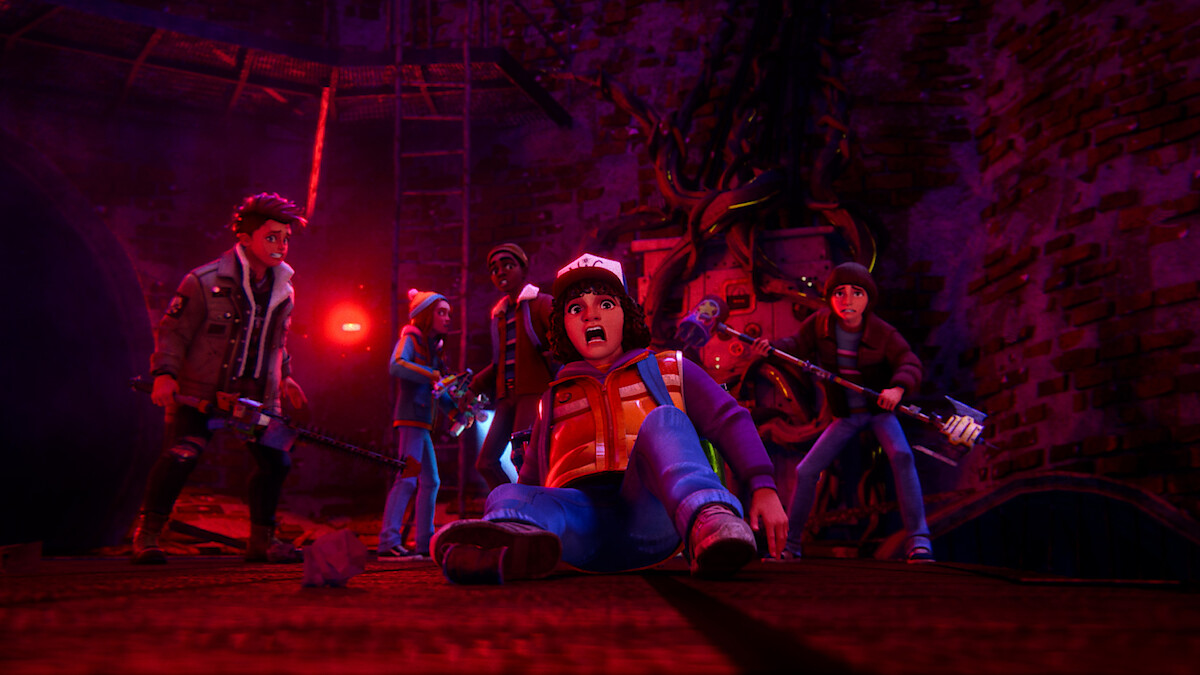
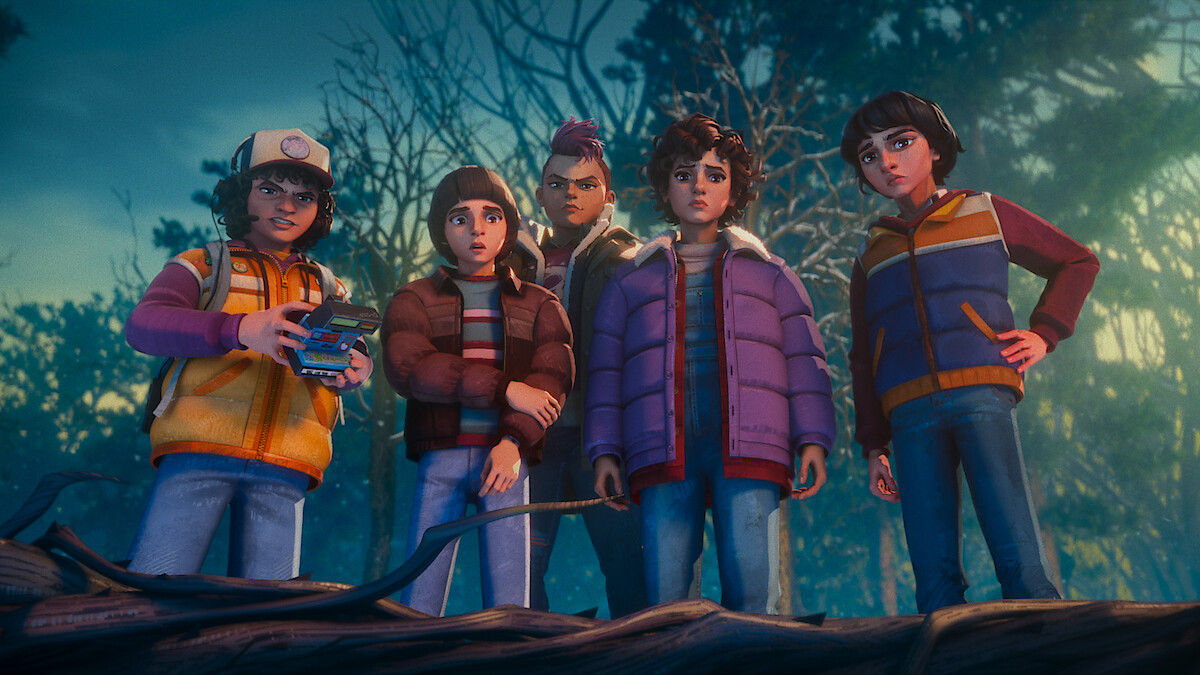
One of those projects is Stranger Things: Tales From ’85, an animated series that premiered on April 23, 2026.
Netflix Expands Stranger Things Universe
The show is set during the winter of 1985 and follows familiar characters including Eleven, Mike, Dustin, Lucas, Will, and Max as they face a new threat in Hawkins.
Netflix renewed the series for a second season shortly after its release.
A separate live-action spinoff is also in development, ScreenRant reports
According to the Duffer Brothers, the project will introduce a new cast of characters and explore a different story within the Stranger Things universe.
While details remain limited, the creators have indicated that it will connect to elements introduced in the final season.
Beyond television, the franchise has expanded into live entertainment.
Stranger Things: The First Shadow continues its run in London’s West End, while merchandise linked to the series remains a significant part of the brand’s business.
Netflix’s approach clearly shows a wider trend across the entertainment industry.
The Spinoff Economy Is Now the Norm
Major studios and streaming platforms increasingly extend successful franchises beyond their original stories, creating new series, spinoffs, and experiences that keep audiences engaged long after the main show has ended.
Major studios and streaming platforms rarely let a successful franchise rest.
Its not just Netflix.
HBO launched House of the Dragon and a second Game of Thrones spinoff rather than close the book on Westeros.
Disney has built an entire television slate around Marvel and Star Wars, with shows like Andor, The Mandalorian, and WandaVision keeping both franchises running continuously between film releases.
Amazon extended The Boys into a spinoff called Gen V. Paramount kept the Yellowstone universe alive through prequels like 1883 and 1923.
Netflix also spun Bridgerton into a prequel series centred on Queen Charlotte. In most cases the goal is just to keep subscribers from cancelling, keep merchandise selling, and keep the brand relevant until the next big release is ready.
The Risk of Extending a Successful Series
Audience reactions to franchise expansions are often mixed.
While streaming platforms see value in extending popular brands, not every fan follows those new projects.
For some viewers, an animated series or spinoff does not offer the same appeal as the original show.
For instance, I connected with Stranger Things because of its cast, storytelling style.
I’m not interested in an animated continuation, even if it exists within the same universe.
There is also an argument that some shows are better left to end on their own terms. Expanding a franchise can create additional content, but it does not automatically guarantee that audiences will remain engaged or continue subscribing.
In some cases, viewers may choose to follow the original series only and ignore later spinoffs or alternative formats.
As a result, the success of franchise extensions often depends on whether they can attract audiences beyond the loyalty built by the original show.