






 Uncut Radio

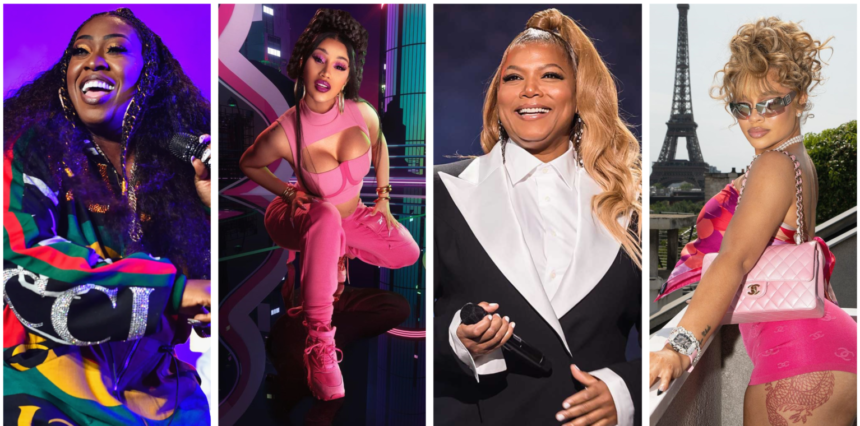
Early Trailblazers of ‘Women in Hip-Hop’ Explored in Netflix’ Documentary
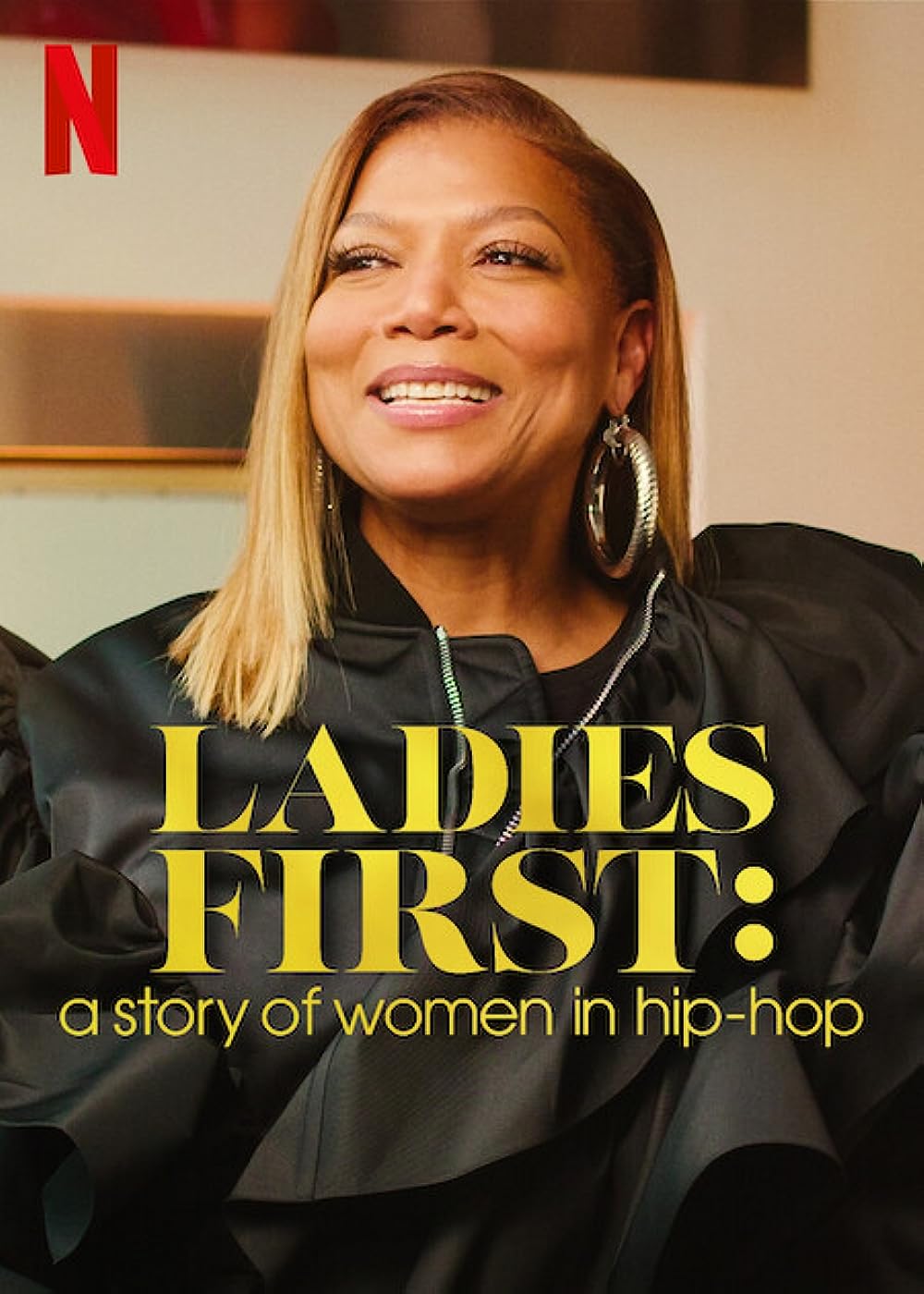
“LADIES FIRST: A Story of Women in Hip-Hop”
As the global hip-hop community celebrates its remarkable half-century milestone, an enthralling new Netflix docuseries made its debut on August 9th, casting a revealing spotlight on the profound and often overlooked role of Black women in shaping and propelling this vibrant cultural phenomenon.
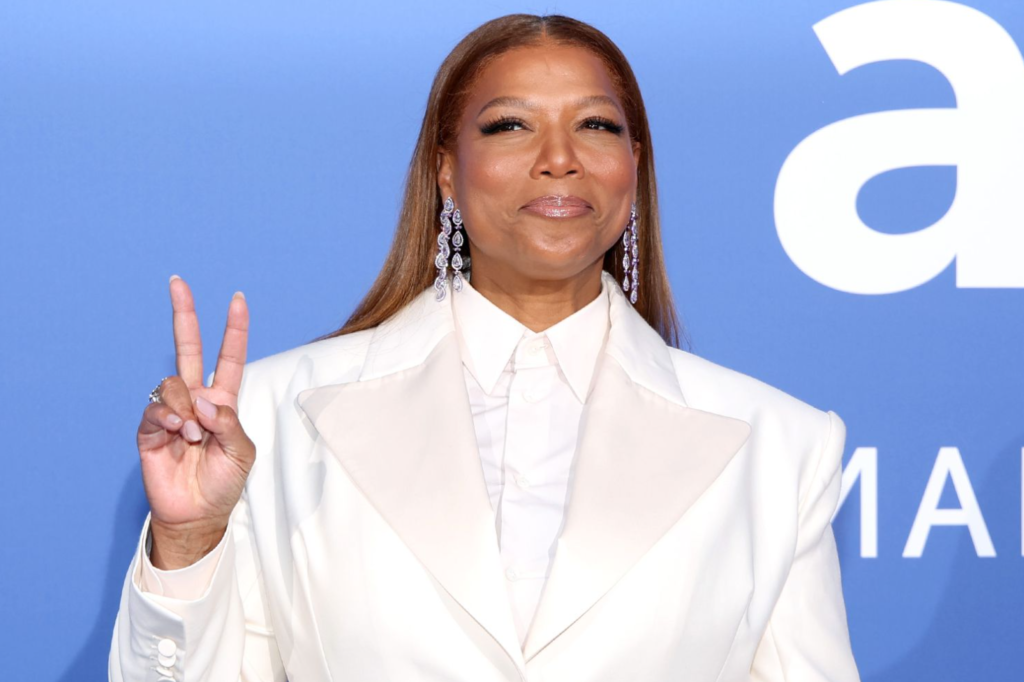
Titled “Ladies First: A Story of Women in Hip-Hop,” this four-episode opus delves into the personal histories and indelible impacts of Black women who have been instrumental in molding the contours of hip-hop culture.
Within an industry that has historically marginalized their contributions, Black women have served as architects of hip-hop’s evolution, simultaneously grappling with an array of challenges such as misogyny, racism, and colorism.
The documentary, steadfast in its commitment, unfurls the narrative thread of their journey, illustrating how these resolute women have not only reshaped the terrain but have also defiantly stood their ground against formidable odds.
In the Docuseries, Pioneering Hip-Hop Figures MC Lyte, Queen Latifah, Rah Digga, Sha-Rock, Roxanne Shante, Yo-Yo, Bahamadia, and Others Open Up About Overcoming Stereotypes, Misogyny, and Thriving in a Predominantly Male-Dominated Industry.
Yet, even as progress is made, certain entrenched stereotypes and biases endure within the realm of hip-hop.
Among these is the persistent objectification and sexualization of women, a recurring motif in many mainstream rap lyrics that perpetuates disconcerting double standards.
These standards cast a pervasive shadow over various dimensions of women’s lives – from their attire and self-expression to their involvement in political discourse and their roles within society.
The documentary draws back the curtain on this disconcerting reality, inviting industry voices to share their firsthand experiences navigating these trials.
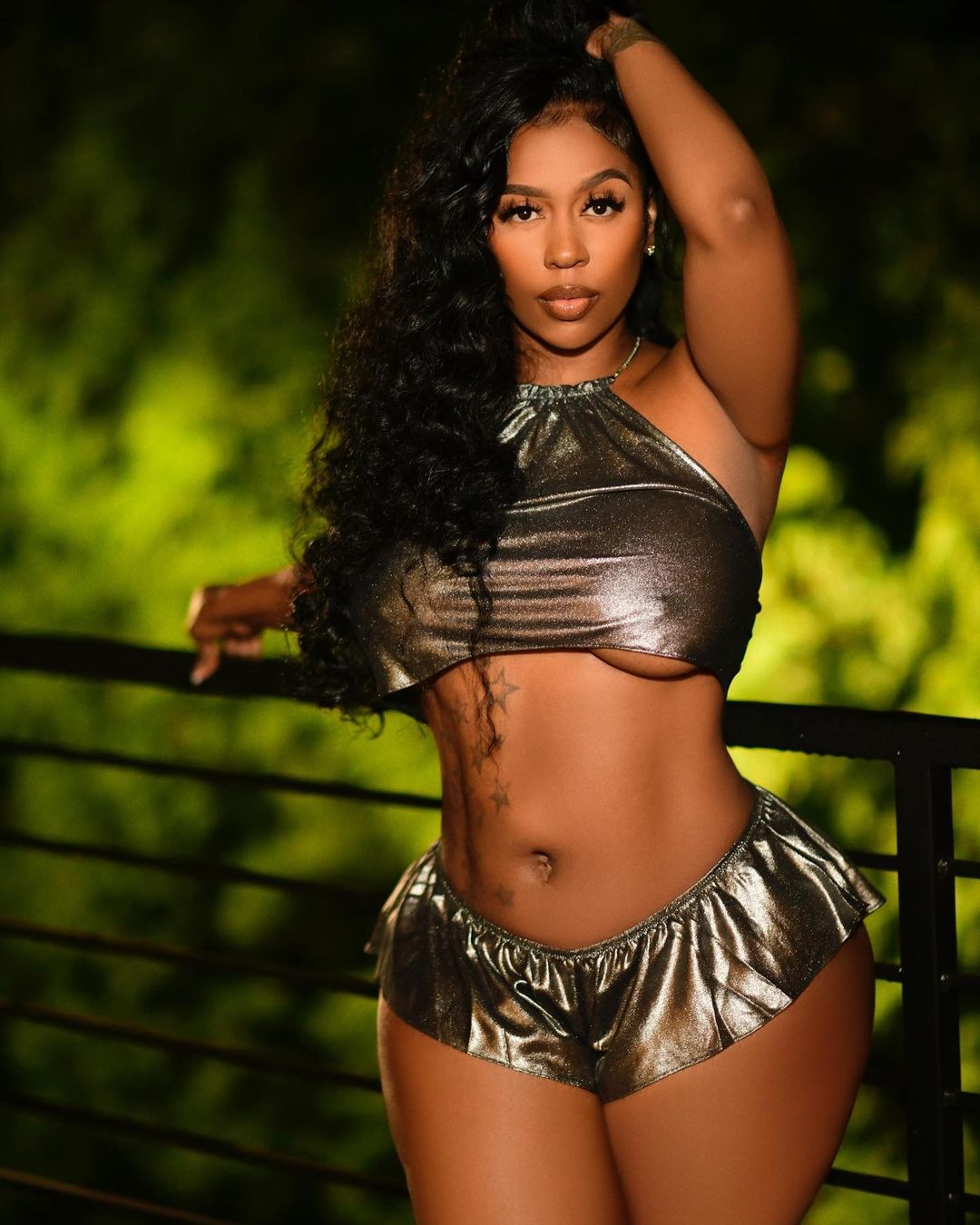
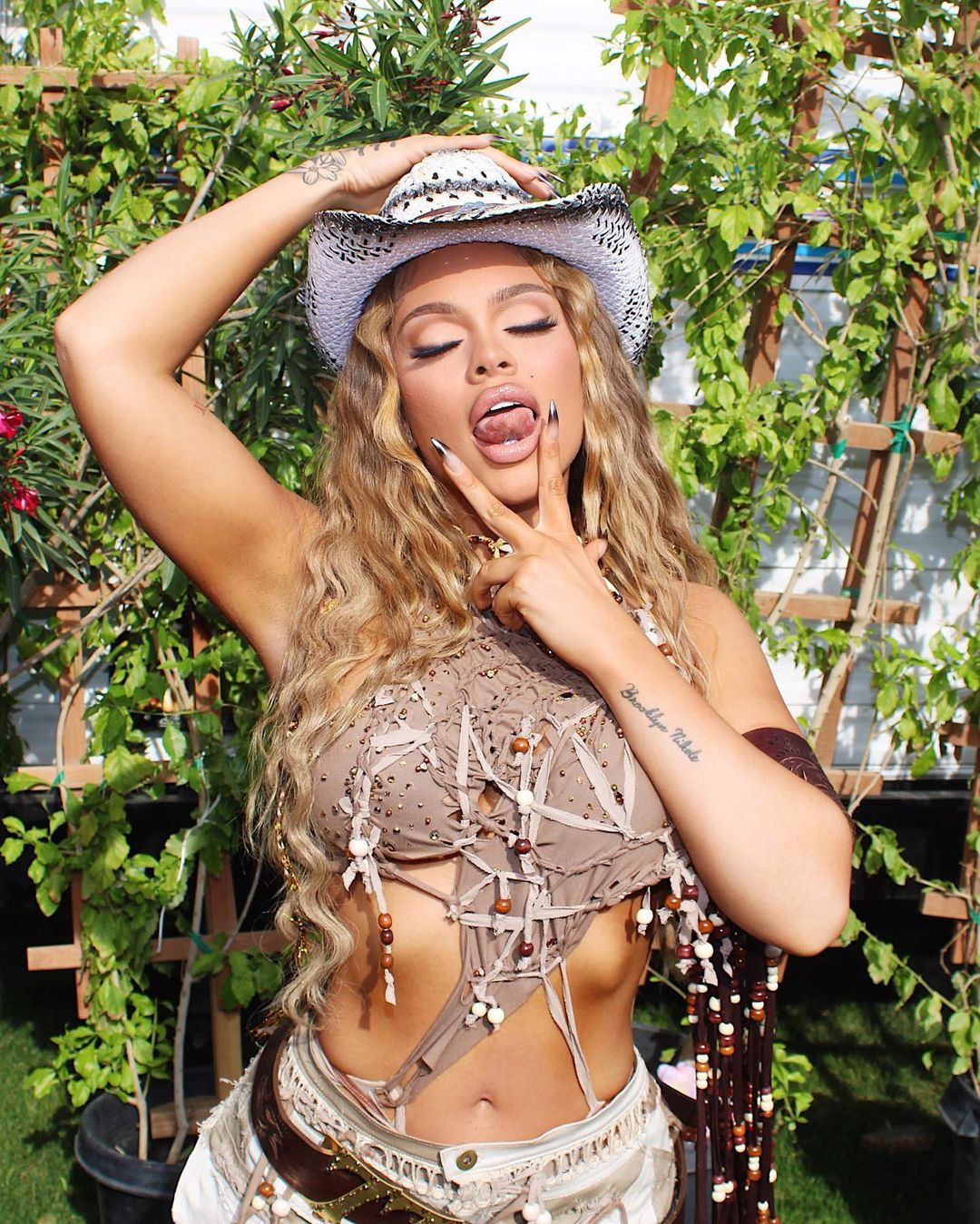
A poignant perspective emerges from Kash Doll, who articulates the intricate paradox women in hip-hop grapple with – the demanding imperative to be commercially enticing and alluring while simultaneously contending with censure for propagating such images.
Striking the balance between these dueling expectations emerges as a complex feat, with the bar set high, oscillating between the pursuit of commercial acclaim and embodying the epitome of conscientiousness akin to the esteemed Michelle Obama.
The docuseries immerses itself within the dichotomous realm confronted by female artists, particularly those in the rap genre.
While male counterparts have long perpetuated objectification in their lyrics, women rappers who seize control of their sexuality and assert their agency frequently encounter backlash from both their peers and the wider public.
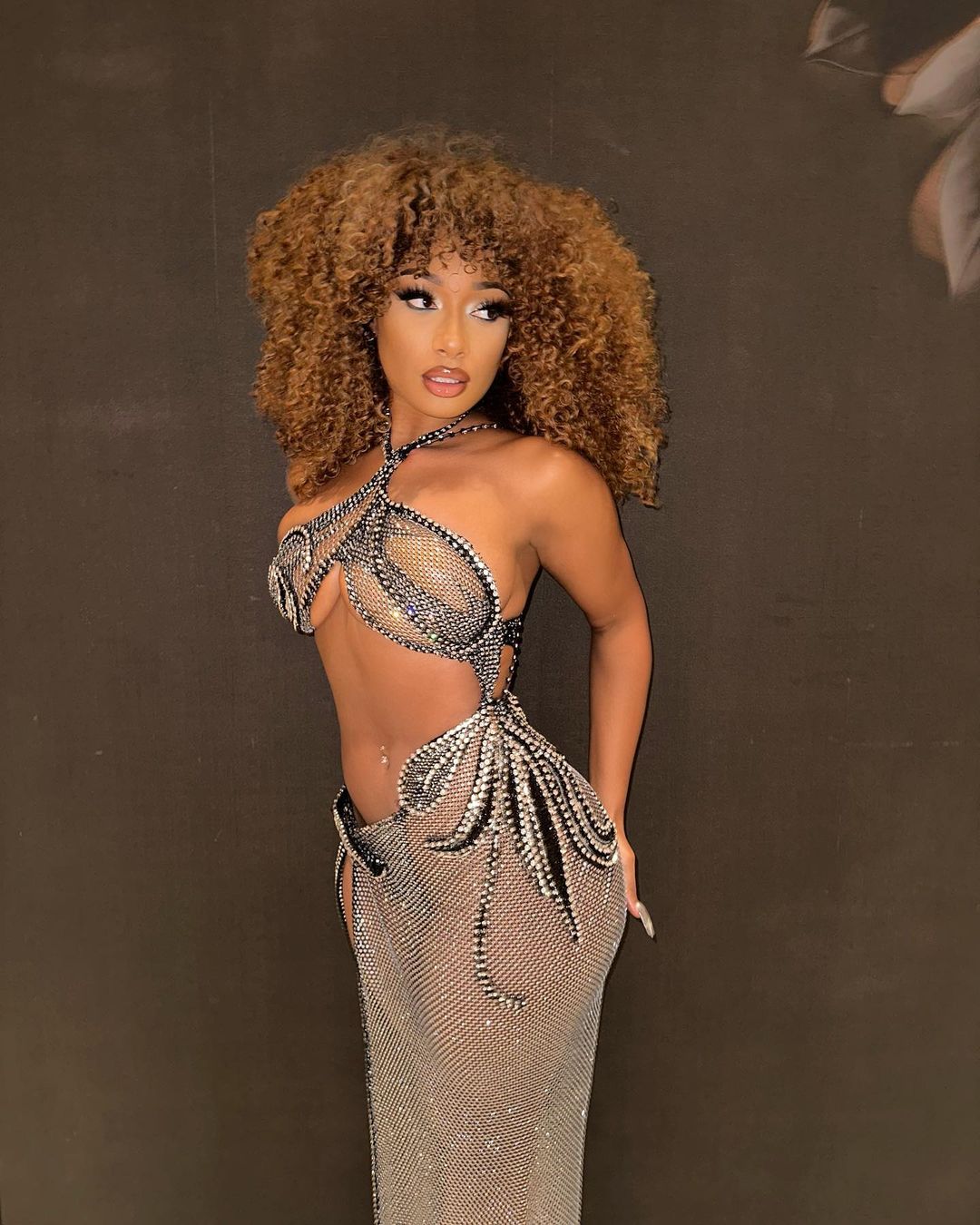
This is an enduring challenge spanning generations – from the pioneering footsteps of Lil’ Kim and Foxy Brown in the ’90s to the present-day luminaries such as Nicki Minaj, Megan Thee Stallion, and Cardi B.
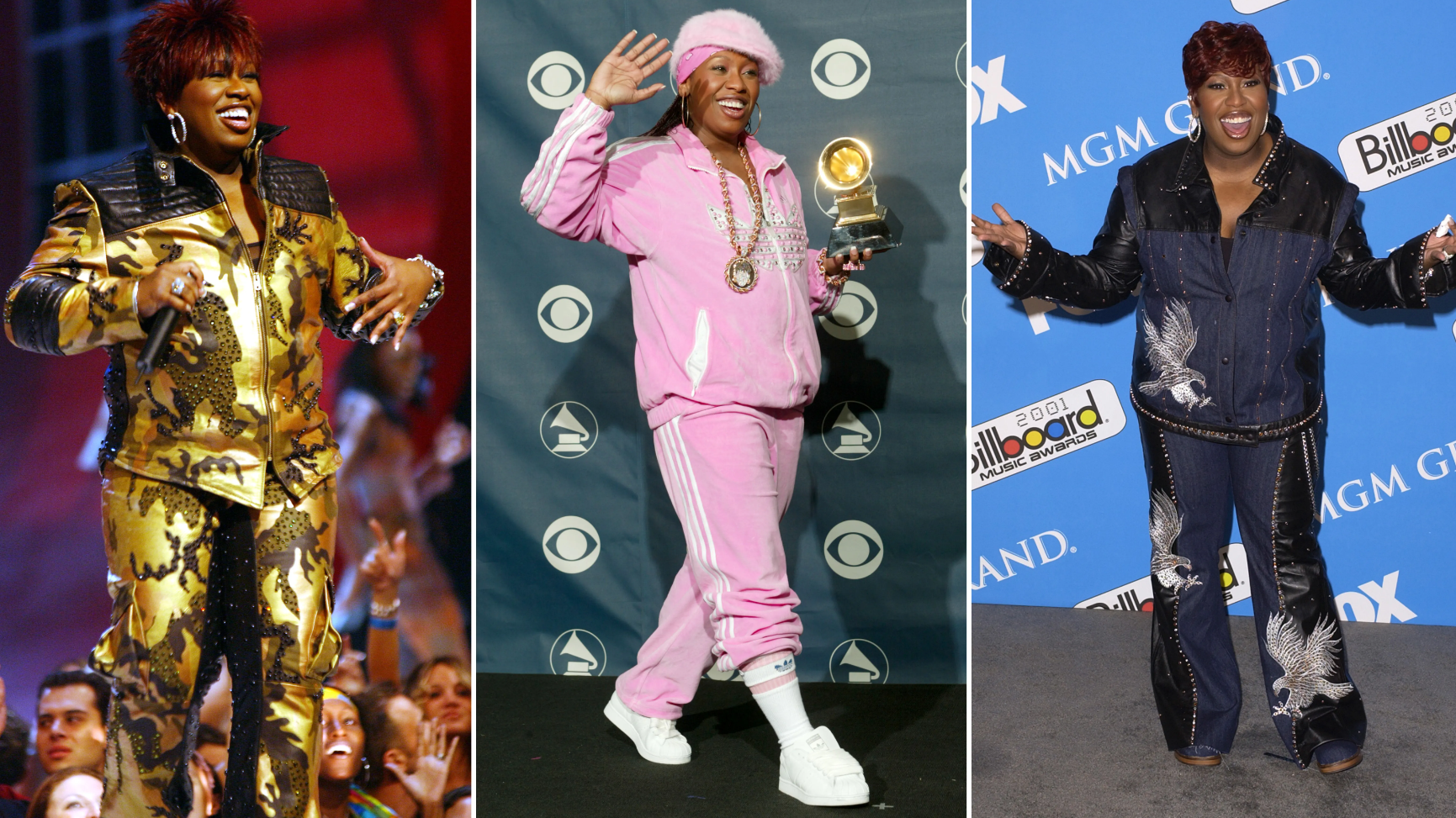
One of the documentary’s pivotal narratives casts the spotlight on the early days of Missy Elliot’s ascent within the hip-hop landscape.
She had to forge her self-assurance in the face of critique regarding her appearance, particularly her physique.
Queries about her ability to deliver while not fitting conventional norms were commonplace.
The industry’s preoccupation with aesthetics frequently overshadowed artistic prowess, compelling these women to assert their presence even within the realm of fashion.
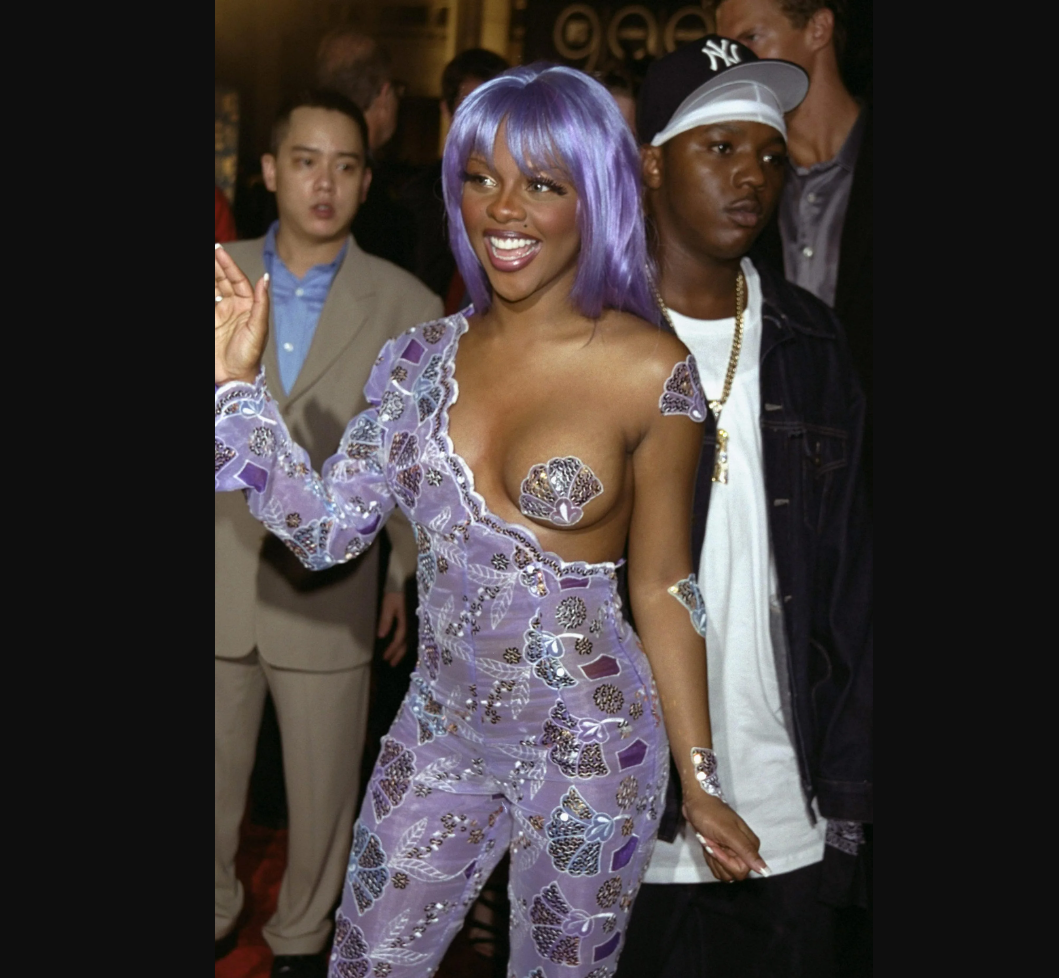
A defining moment emerges as Lil’ Kim defiantly graced the 1999 MTV Video Music Awards in a distinctive lavender ensemble curated by stylist Misa Hylton, eloquently articulating a message of self-expression and resistance.
Her outfit has inspired Kylie Jenner’s outfit to MET Gala, Cardi B, Rihanna and other celebrities who have since won an attire inspired by this look.
As the imminent arrival of Netflix’ “Ladies First: A Story of Women in Hip-Hop” beckons, it furnishes an esteemed platform for Black women within hip-hop to narrate their stories, challenge misconceptions, and meditate on their ongoing odyssey in shattering barriers.
The series resounds with the declaration that their contributions are not only foundational but pivotal in sculpting the very soul of hip-hop culture.
By amplifying their voices, this documentary beckons audiences to laud the enduring spirit, innovation, and mettle of Black women who have defied conventions, propelling hip-hop to unprecedented pinnacles.
The documentary presents intriguing insights into the origins of Hip-Hop, particularly the evolution within the women’s sector of the industry.
As we commemorate 50 years of Hip-Hop on a global scale, this is undoubtedly a must-watch. Tune in to the docuseries now available for streaming on Netflix.
 ⭐⭐⭐⭐⭐⭐⭐⭐⭐9/10