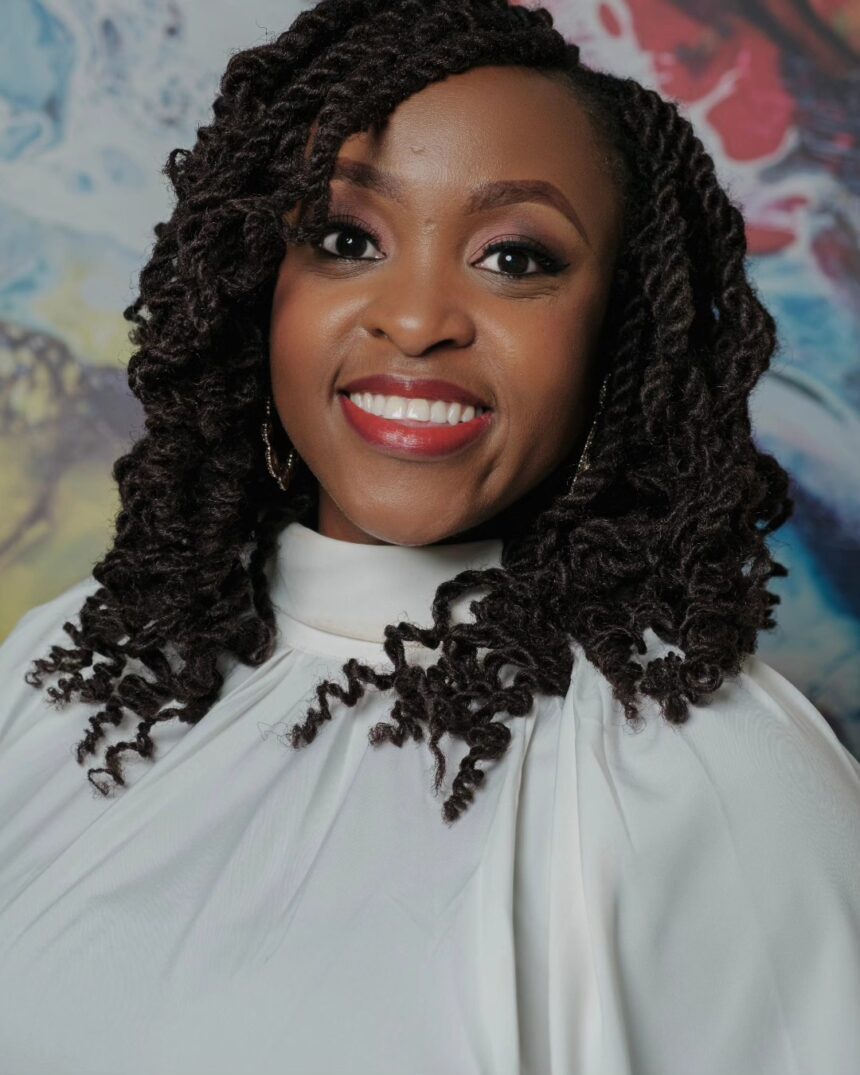
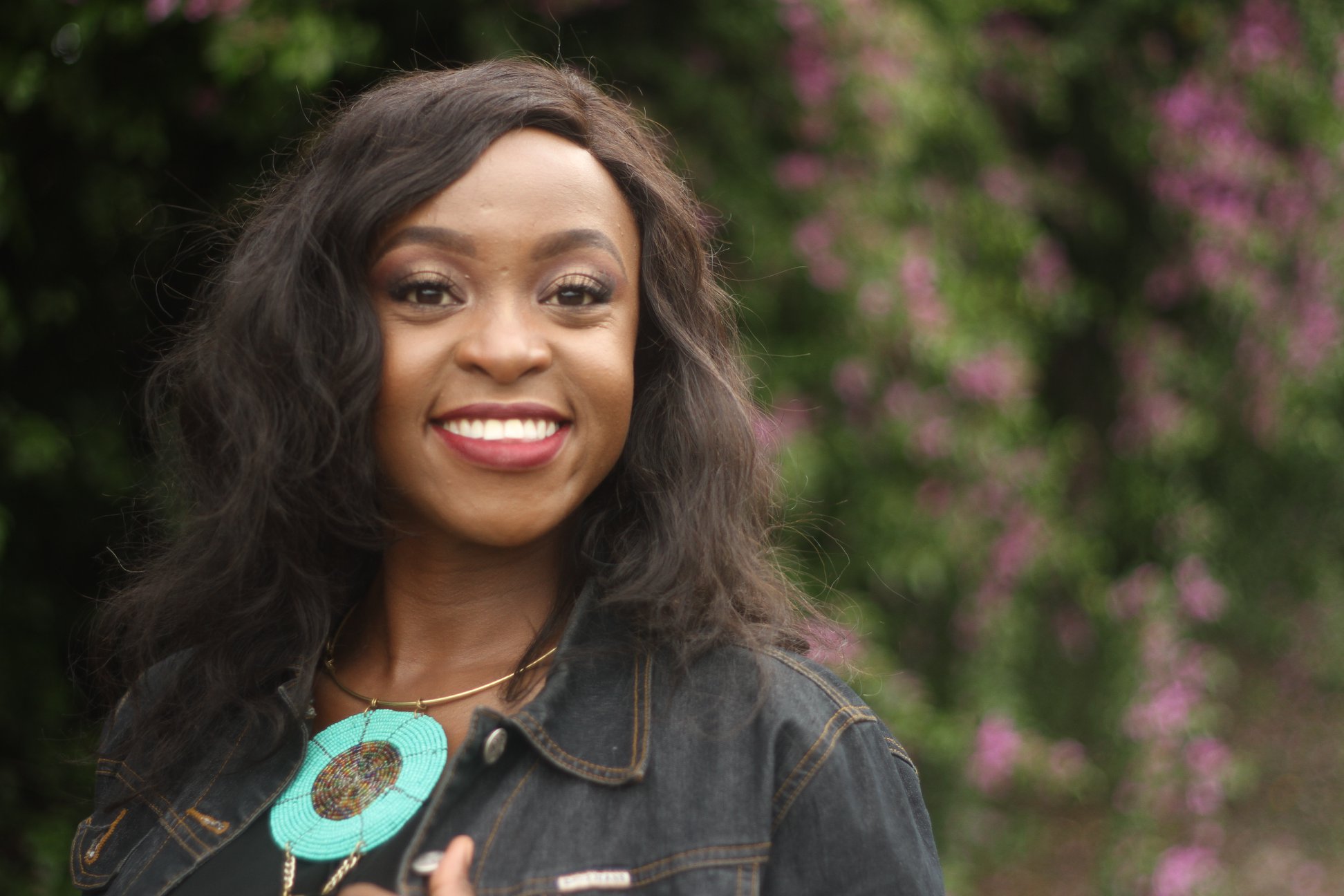
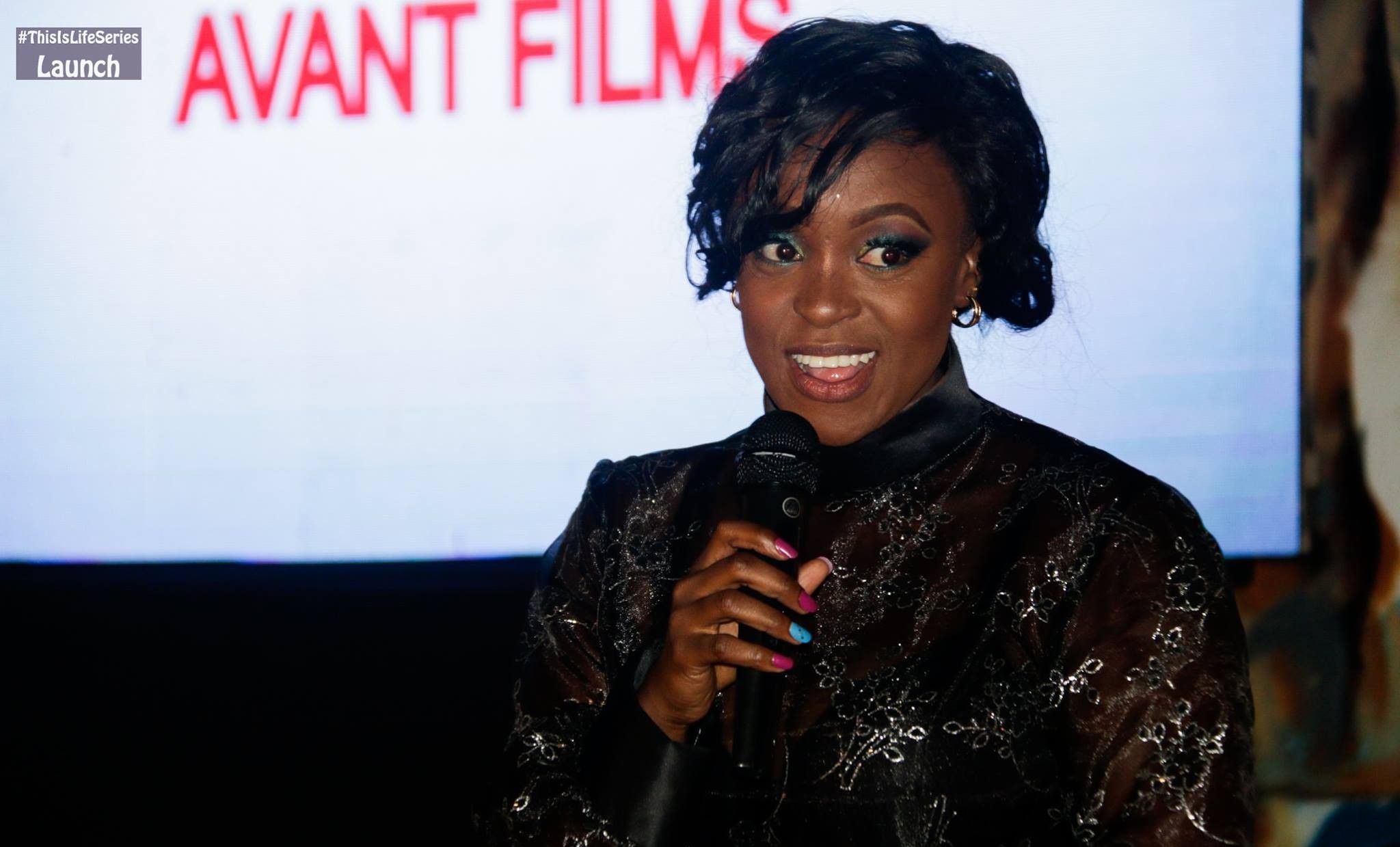
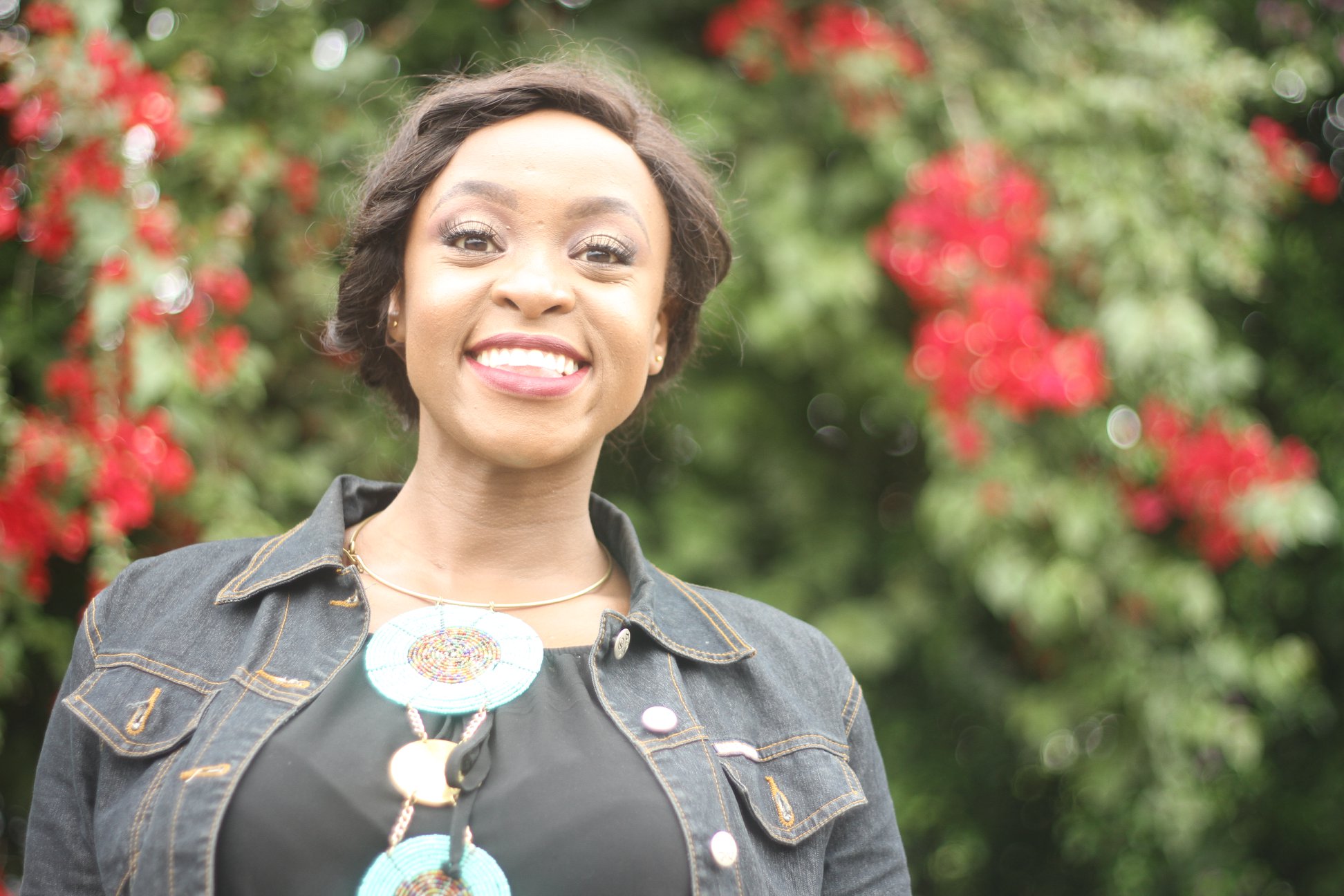
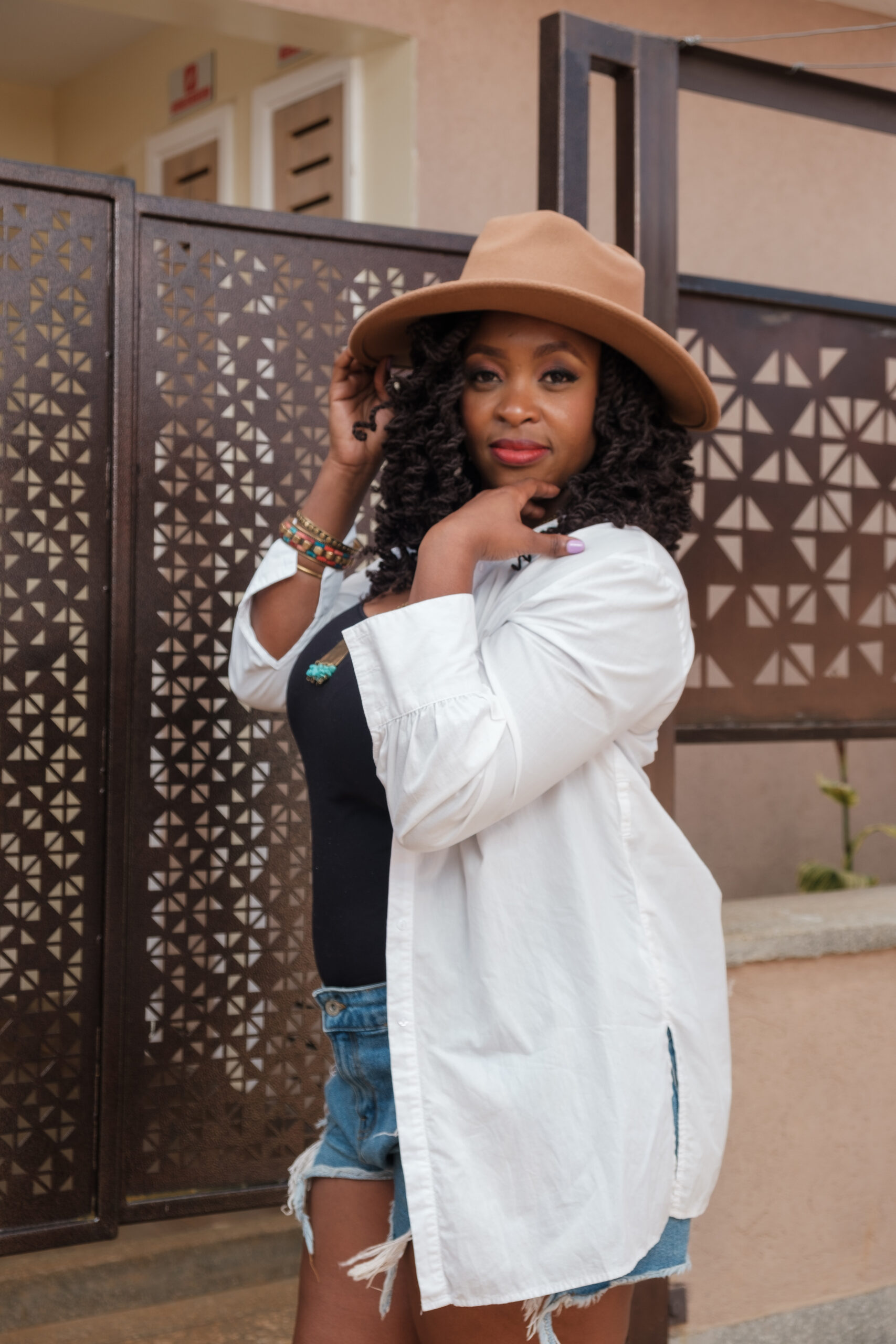
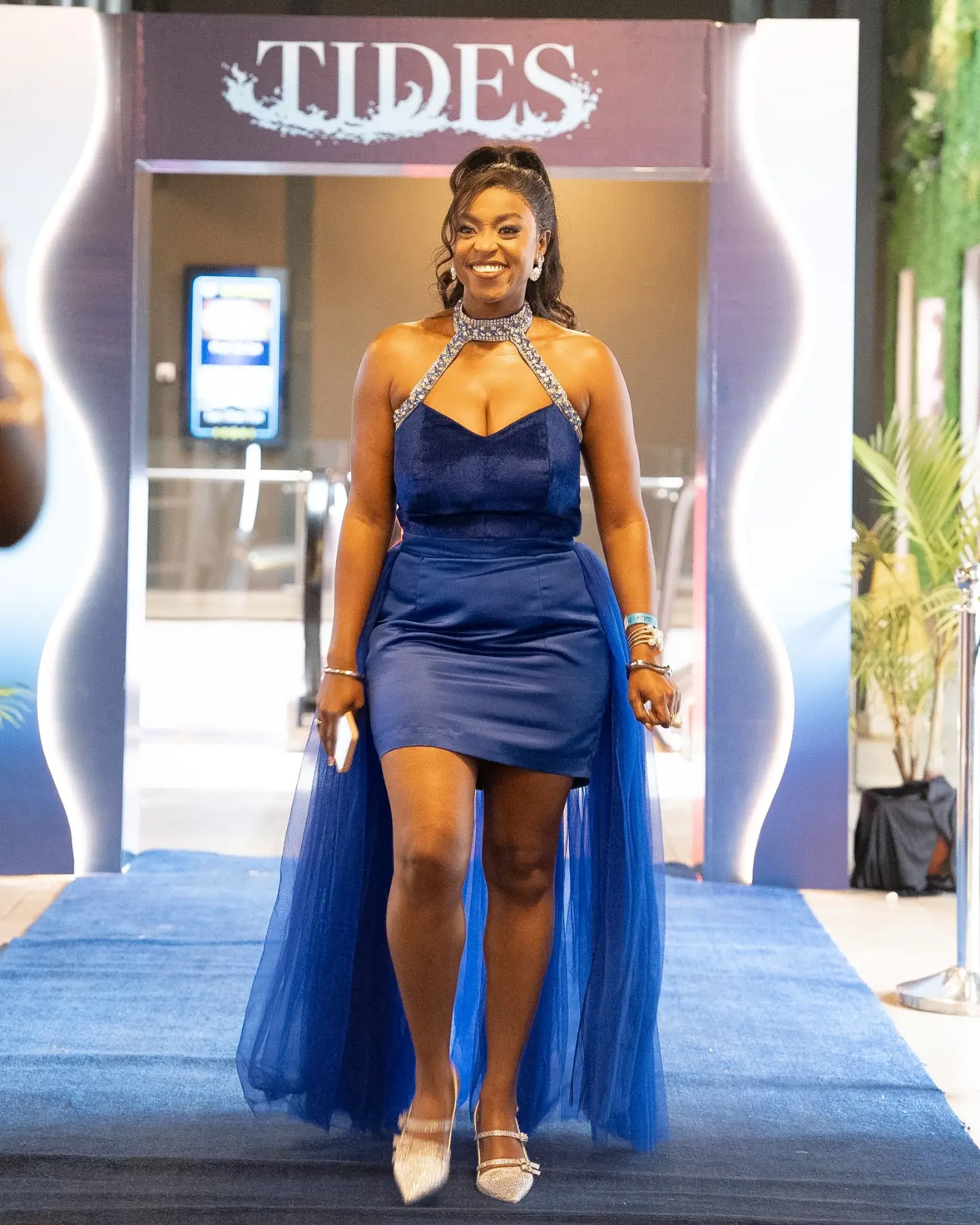
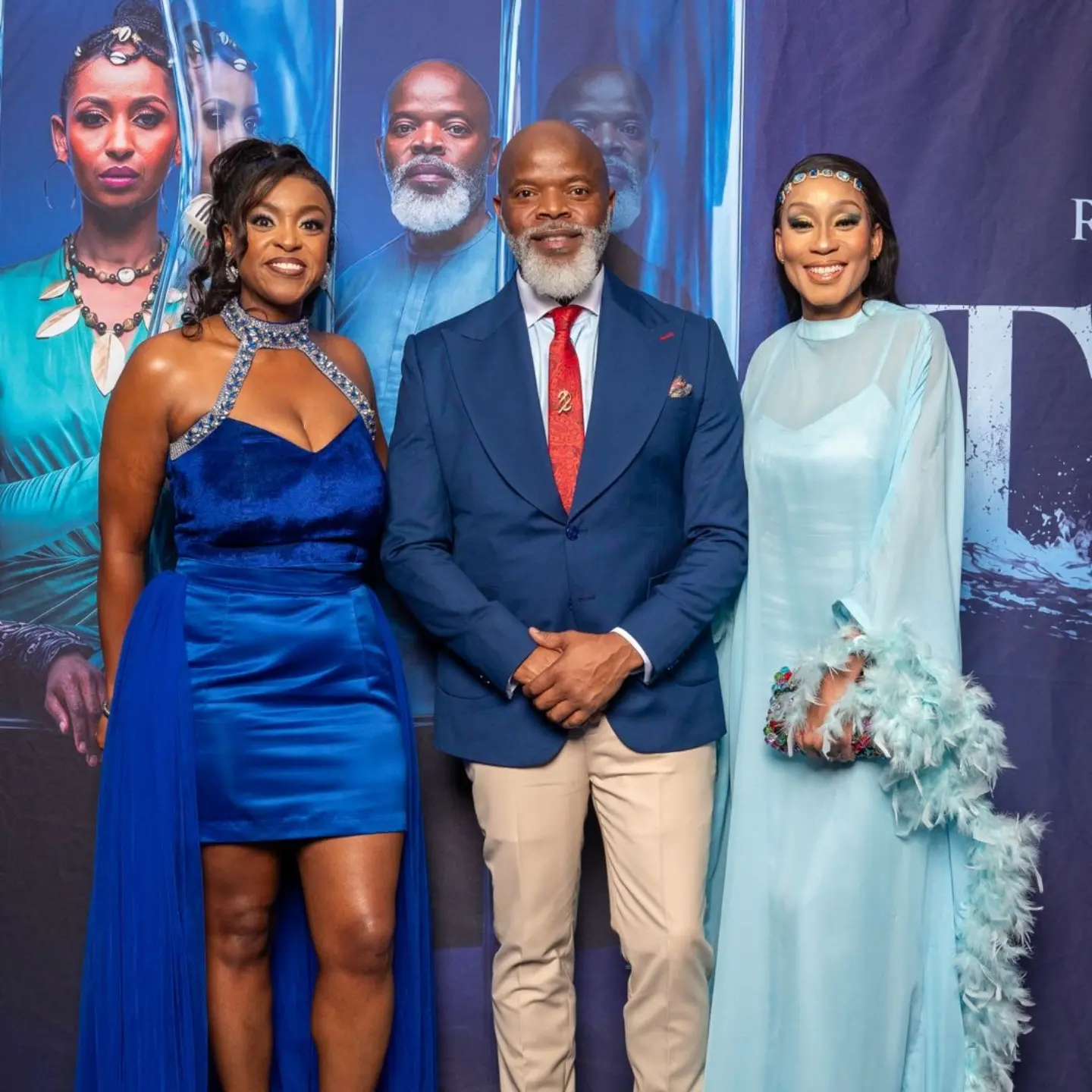
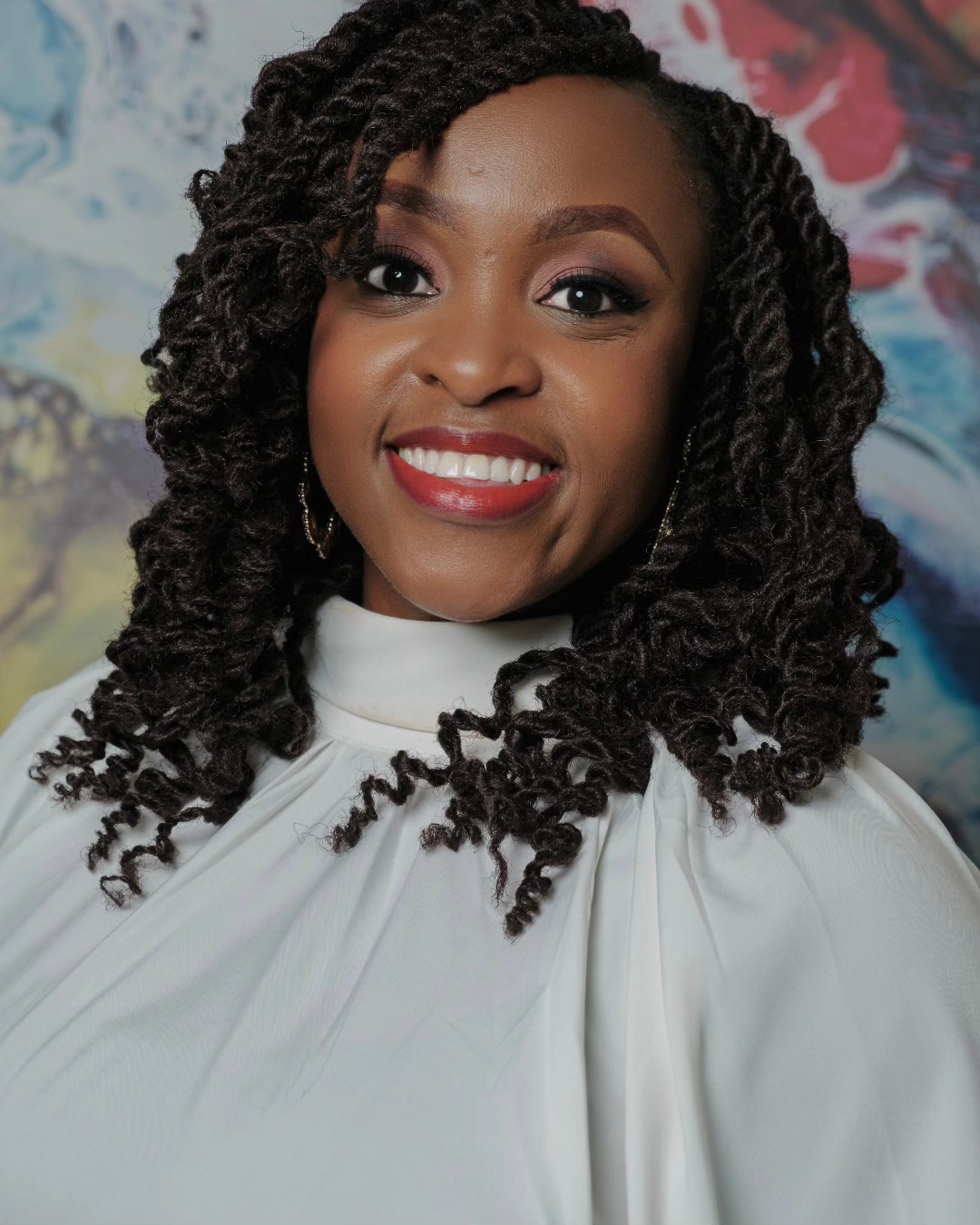
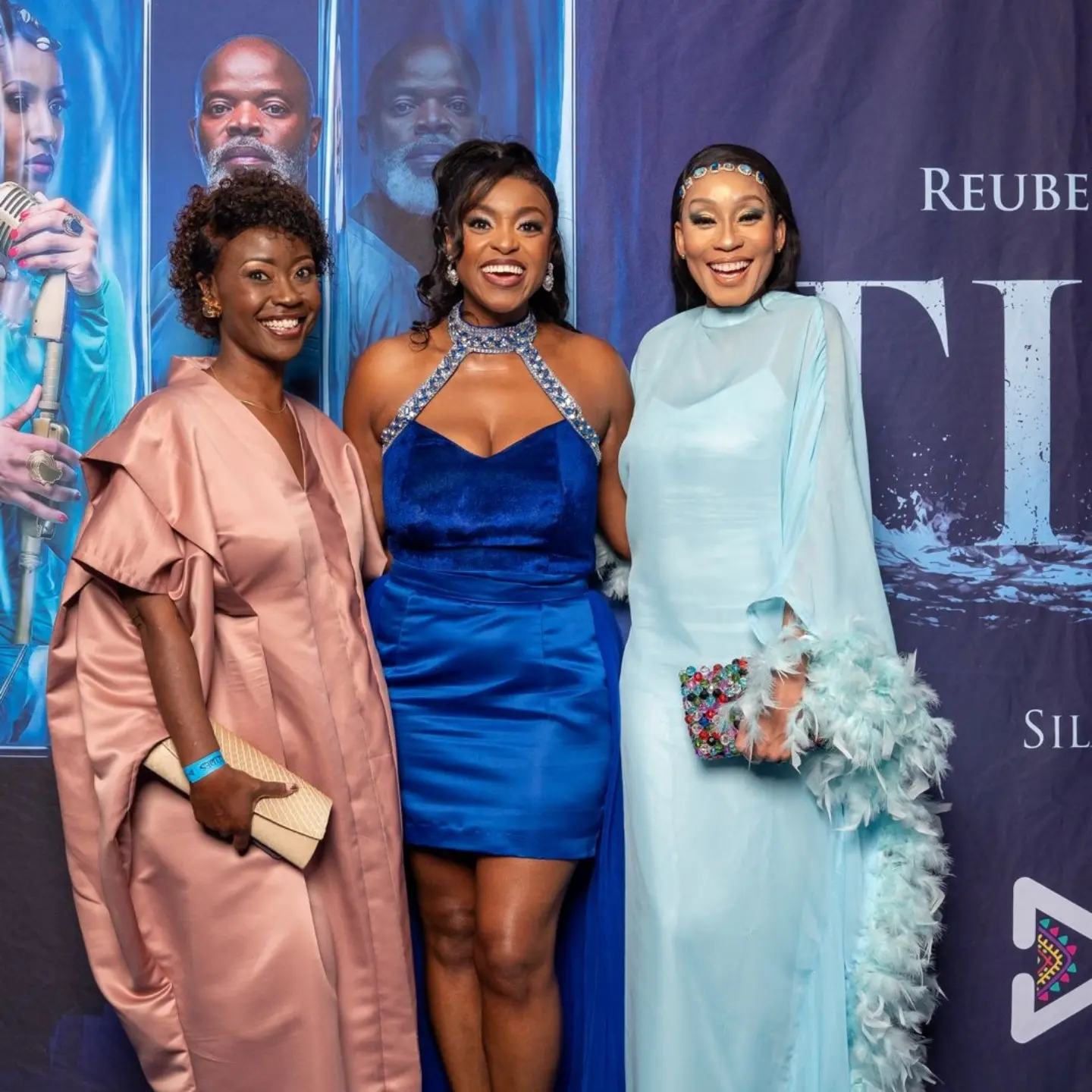
Winnie Adisa is one of the producers behind Kenya’s current theatrical run. Her credits include Tides, the coastal musical drama now in cinemas, Kito on Citizen TV, and Netflix’s Mo-Faya. She also directed her own projects, Susan’s Diary and Martin’s Chronicles.
Tides is part of a wave of Kenyan films, alongside Likarion Wainaina’s Anam’s Wake, getting full theatrical releases instead of going straight to festivals or streaming.
We spoke to Adisa about how her role has changed across two decades of production, what a producer actually does that audiences never see, and where she thinks Kenyan film is headed.
Career arc…
You’ve moved through K24, Insignia Productions, Avant Films, and now Multan Production on Tides. How has your role as a producer changed across those different environments?
I think my role as a producer has evolved from being primarily about execution to being much more about leadership, strategy and protecting the creative vision.
I started my career at K24 as an intern, where I was hands on behind the camera, filming, editing and handling quality control right through to a show going on air. I later moved to KENTV and GBS TV, where I worked in front of the camera as a presenter.
Experiencing both sides gave me a well rounded understanding of how content is created and received, while building my foundation in discipline, attention to detail and working under pressure.
At Insignia Productions and Avant Films, I developed a deeper understanding of the creative and technical sides of production. At Zamaradi Productions, I took on greater production management responsibilities, working with larger teams, budgets, schedules and multiple moving parts.
I then worked as Production Manager on Mo-Faya, a drama series that aired on Netflix. This was an important step in my growth, strengthening my ability to manage a large scripted production while balancing creative, logistical and production demands.
With Drama Deluxe, Minimax Media and Primary Picture, I moved into a more strategic role through line producing, looking at the bigger picture across people, resources, schedules, budgets and delivery. Then, with Tides at Multan Production, I brought those experiences together as a feature film producer, taking greater ownership of the entire production.
Looking back, I have moved from asking, “How do we get this done?” to asking, “How do we get this done well, while protecting the story and the people bringing it to life?” For me, that is the biggest evolution in my role as a producer.
You started Absolute Image Ltd earlier in your career. What made you want to build your own production house rather than stay within existing structures?
I think the decision came from wanting to create a space where I could have more creative ownership and explore different sides of production. I wanted to work directly with clients, understand their needs and take an idea from concept through production and delivery, rather than being limited to one role within an existing structure.
Through Absolute Image, I worked with corporate and institutional clients, producing documentaries and other content for organisations such as IMG Kenya, Kenya Tourism Board, and Canadian Foodgrains Bank. That experience taught me a lot about working with clients, understanding their objectives and delivering within real business requirements.
At the same time, the company gave me the freedom to explore my own creative ideas. I produced two micro drama series, Susan’s Diary and Martin’s Chronicles, which were carried on Baze and a few other VOD platforms across Africa.
I eventually put the company on hold for personal reasons and chose to work as a freelance producer, which opened me up to even more diverse productions, teams and experiences. Starting Absolute Image taught me not only how to produce content, but how to think like a business owner and take full responsibility for a production from beginning to end.
Susan’s Diary and Martin’s Chronicles was your directing debut, and you’ve said it was drawn from personal experience. What did stepping behind the camera as a director teach you that producing hadn’t?
Honestly, directing taught me patience. It also taught me just how much responsibility a director carries in shaping every creative decision.
Because the series were drawn from personal experiences, directing them was very personal for me. I had to think not only about production, but about performance, camera, pacing, tone and how the story would ultimately make the audience feel.
Interestingly, I do not think directing is something I would want to pursue again. As you grow in your career, you begin to understand your strengths and where you can create the most value. For me, that is producing. There is nothing wrong with trying different things, but there is also wisdom in recognizing what you are good at and choosing to master it.
So while directing gave me a valuable perspective and made me a better producer, it also helped me realize that my real craft is producing. I would rather put my energy into becoming an exceptional producer than try to be everything at once.
Interestingly, I do not think directing is something I would want to pursue again. As you grow in your career, you begin to understand your strengths and where you can create the most value. For me, that is producing.
Winnie Adisa
On the current moment…
You produced a football drama on Citizen TV and a coastal musical drama in cinemas in the same year. How different is the producing job on those two projects, practically speaking?
They were two very different productions, and there was a period when both were shooting at the same time. Thankfully, I had excellent executive producers in Tosh Gitonga at Primary Picture for Kito and Reuben Odanga at Multan Production for Tides, and they were supportive as we worked around the schedules.
Kito, the football drama for Citizen TV, had a very different set of demands. Some of the young cast were acting for the first time, so there was a lot of mentoring involved. I was managing a large cast and crew while ensuring the football elements were accurate, plus the client and agency relationship, and the music and artists involved in the score.
TIDES stretched me logistically coordinating rehearsals, schedules, recce, cast and crew, music rehearsals, international talent, travel and an out-of-town production, while keeping the moving parts aligned from pre-production to production
I really appreciated Reuben’s openness as director, writer and creator when he approached me, he was open to bringing in a South African actor, Dumisani, which I had suggested. Not every creative is that open to expanding their original idea based on a producer’s input.
Kito taught me a lot about working with first-time actors, large teams and clients.
Having both running at once was intense, but they’re among the projects I’m most proud of.
Tides is part of a run of Kenyan films this year getting proper theatrical premieres rather than going straight to festivals or streaming. From where you sit as a producer, what actually changed to make that possible?
I think Kenyan filmmakers are becoming more intentional about creating films with the local theatrical audience in mind. There is a growing confidence that Kenyan stories can attract audiences to cinemas when the production, storytelling and marketing are strong case in point, Likarion’s film Anam’s Wake, which is doing very well at the cinemas, and Prince Mumbi by Damian.
Tides was written and directed by Reuben Odanga through his company, Multan Production.
He brought me on as producer, and from the beginning the intention was a proper theatrical release rather than festivals first. That meant thinking about the audience, the cinema experience, marketing, partnerships and how we’d build anticipation.
Because it’s a musical drama, the theatrical experience mattered even more, there’s something special about experiencing music, visuals and story on a big screen with an audience.
Audiences are changing too. People want to see their own stories, with Kenyan talent and Kenyan settings, at a quality they can be proud of. As for streaming, let’s wait and see for now our focus is the theatrical journey, and any updates will come through Multan Production’s social platforms.
What does a producer do on a film like Tides that audiences never see, but that determines whether the film works?
A lot. With Tides, the work started long before we got to set. Reuben had been developing the film for about two years, including working with Silayo on the music. We weren’t just shooting a film, we were creating and releasing a music album alongside it.
Rehearsals were huge. Before the shoot, the actors rehearsed with the screen band so the performances, music and movement felt natural on camera. Because the film has intimate scenes, we brought in an intimacy coordinator who worked closely with the actors so everyone felt comfortable and respected.
We also handled the logistics of bringing in South African actor Dumisani Mbebe,; travel, accommodation, movements, all synced with the shooting schedule. Then there were location recces, casting, scheduling, crew coordination and costumes, complicated by the fact that most of the film was shot in Mombasa.
A big part of producing is anticipating problems before they become problems. When an audience watches a film and everything feels seamless, it’s usually because hundreds of small decisions happened behind the scenes to make it look that way. That’s one of the most satisfying parts of the job.
The industry and gender…
You’ve spoken before about investors not valuing women filmmakers the way they value men. Has that changed at all in the years since, or does it still show up in how projects get funded?
I do think it has changed. There is more recognition of women in the industry, and I’ve seen more women taking up leadership and decision-making roles across production.
That said, there’s still work to be done, particularly around funding.
Sometimes the challenge isn’t an outright refusal to invest in women, but the assumptions that influence who is seen as capable of handling bigger budgets or leading major productions.
For me, the best way to change that is through the work. Every successful project, every well-managed production and every woman who gets the opportunity to lead helps challenge those perceptions. I’ve personally seen the industry evolve, and I’m optimistic, there’s still a gap, but it’s much better than when I started.
What would it take, concretely, for more Kenyan women to move into producing roles at the scale you’re working at now?
We actually have quite a number of women producers in Kenya doing excellent work already, and I’m always happy to see more taking up space.
For me, a big part of it is networking and putting yourself out there. Talent is important, but people also need to know you, trust your work and know what you’re capable of. Build relationships, show up, take opportunities and don’t be afraid to say what you want.
I also believe in being willing to start wherever the opportunity comes from. You may not begin by producing a big feature film, but every production teaches you something and builds your reputation. Network, keep learning, deliver good work and put yourself in the room.
Distribution, IP, and the bigger picture…
A lot of the conversation in Kenyan film right now is about ownership and IP. As a producer, how much of that fight happens at your level versus higher up the chain, with investors and distributors?
Ownership and IP is something producers need to be thinking about much earlier in the process. At my level, it starts with understanding who owns the story, who is financing the project, what rights are being granted and what the long-term plans for the content are.
But the bigger conversations often happen higher up, particularly when investors, broadcasters or distributors come into the picture. My role is to make sure those conversations are happening and that the creative team understands what’s being agreed to before the project moves forward.
Kenyan producers are becoming much more aware of the value of IP. A good story can have a life across cinema, television, streaming, international distribution, remakes and other platforms. The earlier those conversations happen, the better positioned the production and the people behind it are.
Mo-Faya went to Netflix, Kito is on Citizen TV, Tides is in cinemas. How do you decide, as a producer, where a project belongs?
In those three cases, that decision wasn’t actually mine to make, those projects belonged to my executive producers and production companies, and I was brought in to execute and deliver.
With Kito, it was a sponsored project, so the client had a big say, and Citizen TV was the chosen station. With Mo-Faya, the distribution journey eventually took it to Netflix.
Tides was created with a theatrical release in mind from the start, so the approach was very different.
Generally, where a project belongs depends on the story, the intended audience, the financing structure and the business strategy behind it. Some stories are made for the big screen, some work better for television, others find a wider audience through streaming. The important thing is understanding the project and working with the right partners to give it the best possible home.
What’s one thing about producing in Kenya right now that you think outsiders misunderstand?
I think outsiders sometimes underestimate just how much talent and professionalism exists within Kenya’s film and television industry.
We have incredibly talented actors, directors, producers, writers and crew who can deliver at a very high standard. What people may not see is how resourceful Kenyan producers have to be we often work with limited resources and tight timelines but still find a way to deliver quality work.
There’s also a growing audience here that wants to see Kenyan stories, and those stories can travel beyond Kenya when they’re told well.
The biggest misunderstanding is that producing in Kenya is somehow less sophisticated. The challenges are different, but the talent and ability to execute are very much there. What we need is more investment, stronger structures and more opportunities for Kenyan productions to reach wider audiences.
Closing…
What are you working on next, and what do you want it to prove about Kenyan film that hasn’t been proven yet?
At the moment I’m at Cape Studios, producing several shows concurrently for a free-to-air channel. It’s an exciting space to be in, working across different formats and audiences while continuing to grow as a producer.
As for what I want to prove, it’s less about proving Kenyan film can be good, because we already know that. I want to be part of proving Kenyan productions can be consistent, commercially viable and able to compete for audiences beyond Kenya.
The goal is simple is to tell good stories, produce them well, and create work that audiences are proud to call Kenyan.
Looking ahead, what does the future of Kenyan film actually look like to you?
I think the future is a mix of cinema, free-to-air television and streaming. I don’t see one replacing the other, they serve different audiences and different types of content.
Cinema will stay important for films made for that experience, free-to-air remains powerful because of its reach, and streaming will keep growing as internet access changes, giving Kenyan content a chance to reach audiences beyond Kenya.
What I see changing over the next few years is how producers think about distribution from the very beginning; instead of making a project and then asking where it can go, considering the audience and distribution strategy while developing it.
We’re also going to see more Kenyan stories travelling beyond our borders. We have the talent and the stories; the opportunity now is to build stronger production and distribution structures around them.
So I don’t think the future belongs to cinema, television or streaming alone. It belongs to having the right story on the right platform, and being intentional about where and how that story reaches its audience.







 Uncut Radio