






 Uncut Radio

We were intrigued by what TV and film were like before the rise of the digital era and modern technology.
So, we did some research and here’s what we discovered.
The world of TV and film has changed or rather evolved dramatically since the days of black-and-white screens and film reels.
Before the advent of digital technology, creating movies and TV shows was a labor-intensive process that relied on a combination of ingenuity, craftsmanship, and a lot of patience.
Let’s take a look at 10 fascinating facts about TV and film before the digital era that reveal just how far the industry has come.
1. Movies Were Shot on Film, Not Digital Cameras
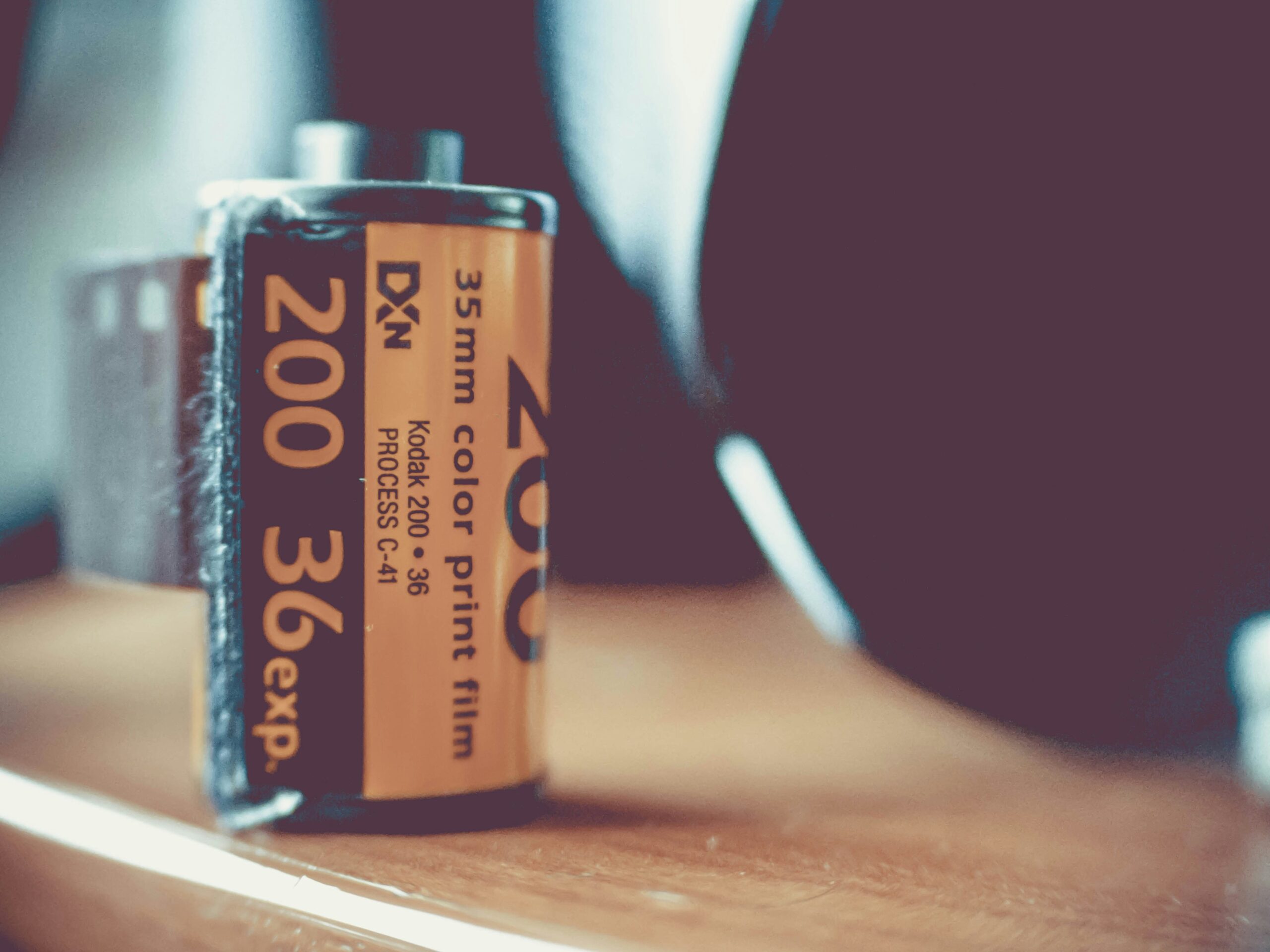
Before digital cameras took over, films were shot using actual film stock, a physical medium made of light-sensitive chemical coatings.
This required filmmakers to be extremely careful with every shot since developing film was expensive, and they couldn’t review footage instantly.
Directors and cinematographers relied heavily on intuition and experience to capture the perfect take.
2. Editing Was Done by Hand
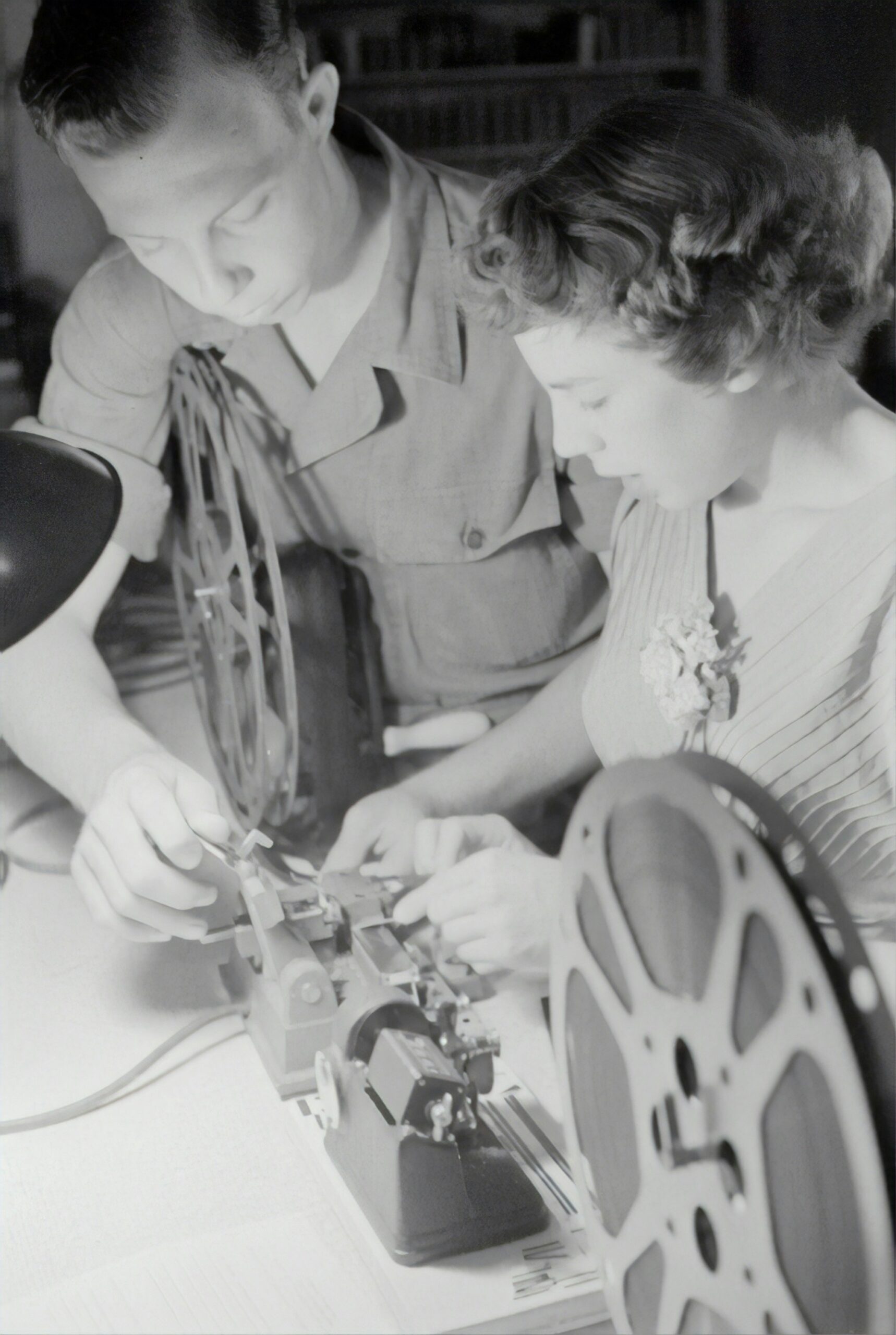
In the pre-digital era, film editing was a meticulous, hands-on process.
Editors had to physically cut and splice film strips together using a machine called a Moviola or a flatbed editor like the Steenbeck.
Each cut was a precise decision, and making changes required physically handling and rearranging footage, a far cry from today’s easy drag-and-drop editing software.
3. TV Shows Were Broadcast Live
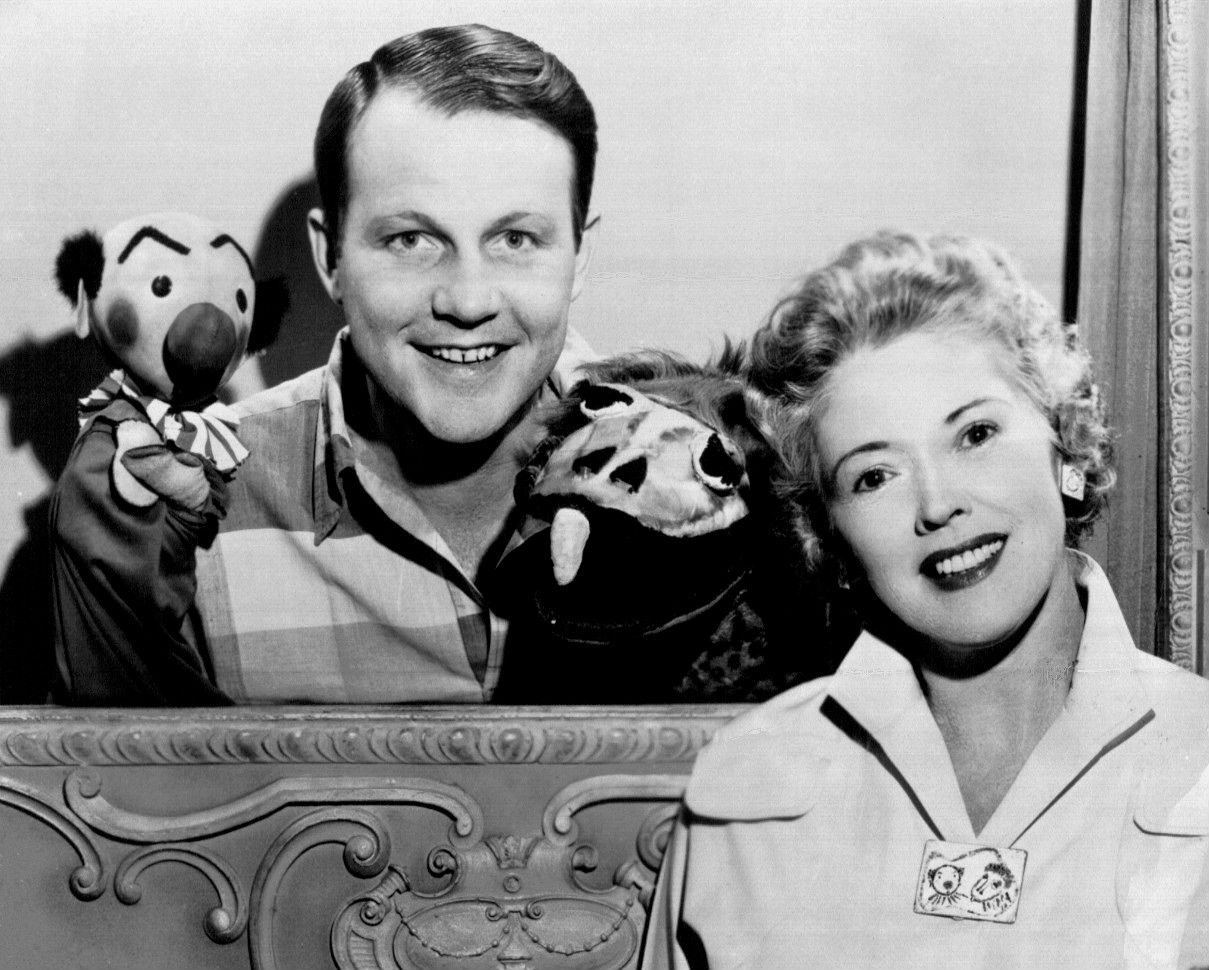
In the early days of television, many shows were broadcast live because recording technology wasn’t readily available or reliable.
Popular programs were initially performed in front of live studio audiences, with little room for error. Mistakes that happened during a live broadcast were simply part of the show.
4. Special Effects Were Practical, Not Digital
Before CGI (Computer-Generated Imagery) became standard, filmmakers had to rely on practical effects.
These included miniatures, animatronics, prosthetics, and clever camera tricks. Films like Star Wars (1977) and 2001: A Space Odyssey (1968) used innovative techniques such as model spacecraft and stop-motion animation to create visually stunning effects that still hold up today.
5. Sound Recording Was Separate from Filming
In the early days of sound cinema, dialogue and sound effects were recorded separately from the visuals.
This technique, called “double-system recording,” involved syncing audio with film later during post-production, using clapperboards to help editors match sound to picture.
Sound mixing was a complex process that required a team of skilled engineers.
6. TV Networks Had Strict Schedules
Before the convenience of on-demand streaming, TV networks aired shows on a strict schedule, and viewers had to tune in at specific times to catch their favorite programs.
If you missed an episode, there was no way to rewatch it until reruns aired — often months later.
This gave rise to the term “watercooler moments,” when people would gather the next day to discuss what they had seen the night before.
7. Black-and-White Dominated for Decades
Though color film existed as early as the 1930s, it didn’t become the standard until the 1960s for TV and the 1950s for movies.
Iconic films like The Wizard of Oz (1939) and TV shows like Bonanza (1959) were early pioneers of color, but most TV shows and films before this time were shot in black-and-white due to the cost and technical challenges of color production.
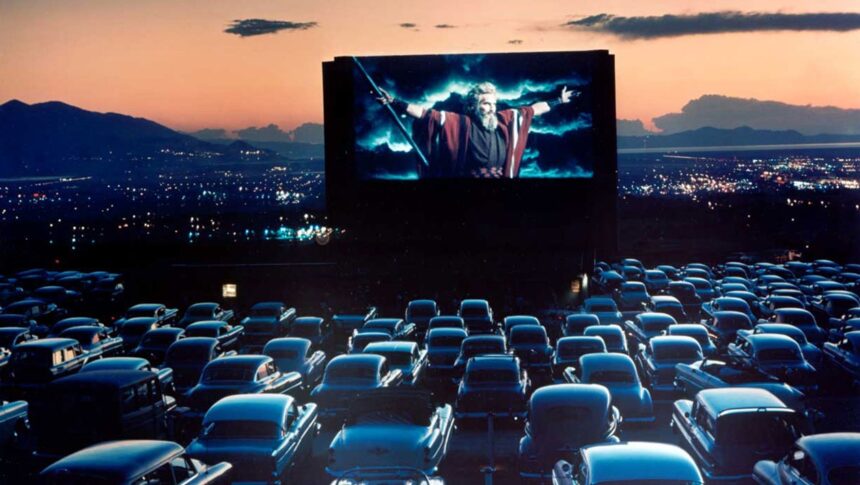
8. Drive-In Theaters Were a Big Thing
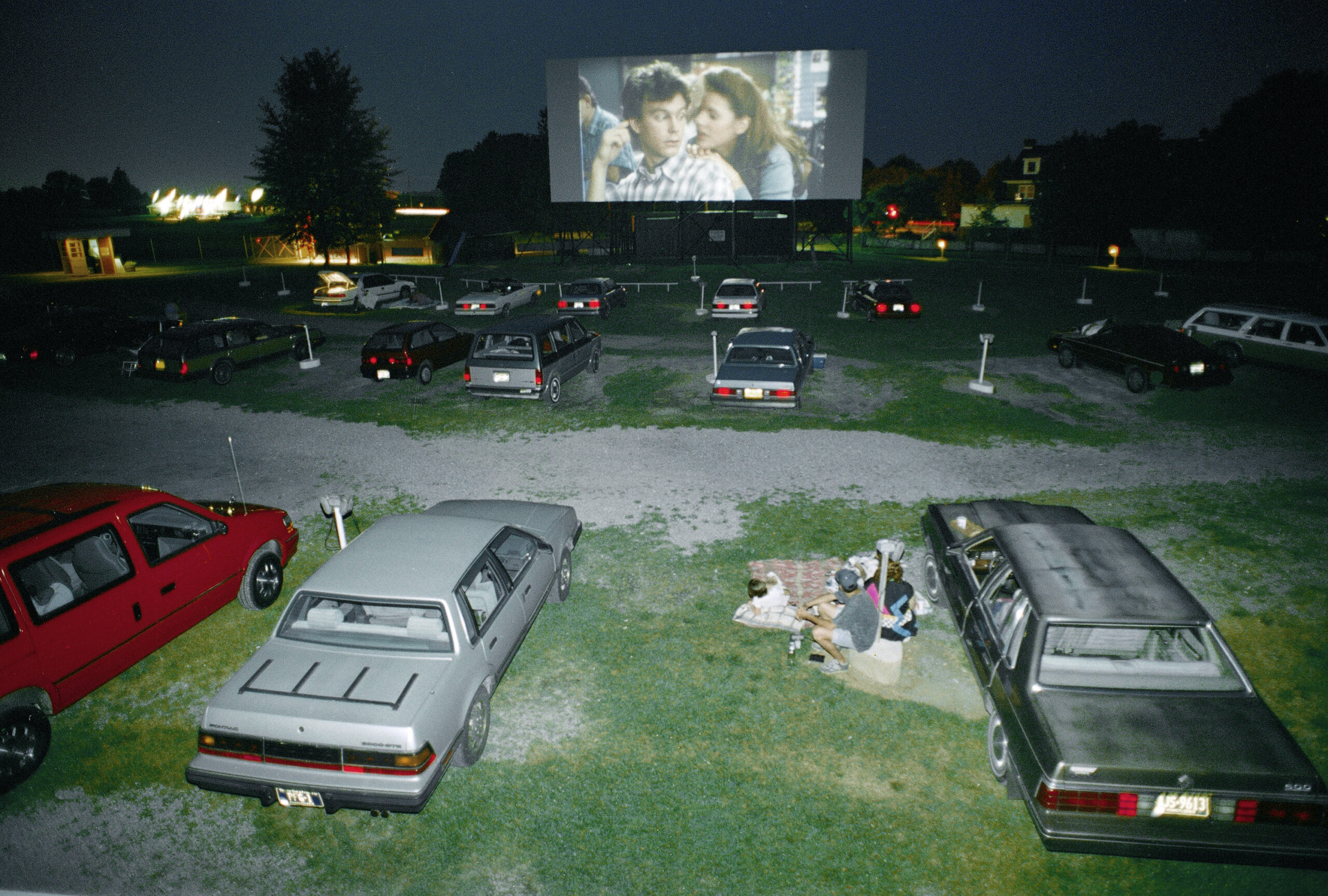
In the mid-20th century, drive-in theaters became a popular form of entertainment.
Families and couples would park their cars in front of giant outdoor screens to watch movies.
By the 1950s and 1960s, there were thousands of drive-in theaters across America, offering a unique movie-going experience that has since become rare.
9. Hollywood Used to Produce Over 400 Movies a Year
During Hollywood’s Golden Age (the 1930s to 1950s), major studios like MGM, Paramount, and Warner Bros. would churn out more than 400 films annually.
These movies were made assembly-line style, with actors under long-term contracts, and directors and crew working on tight production schedules.
Today, big studios focus more on blockbusters, producing fewer films but spending much more on each one.
10. TV Shows Were Limited by a Single Screen Size
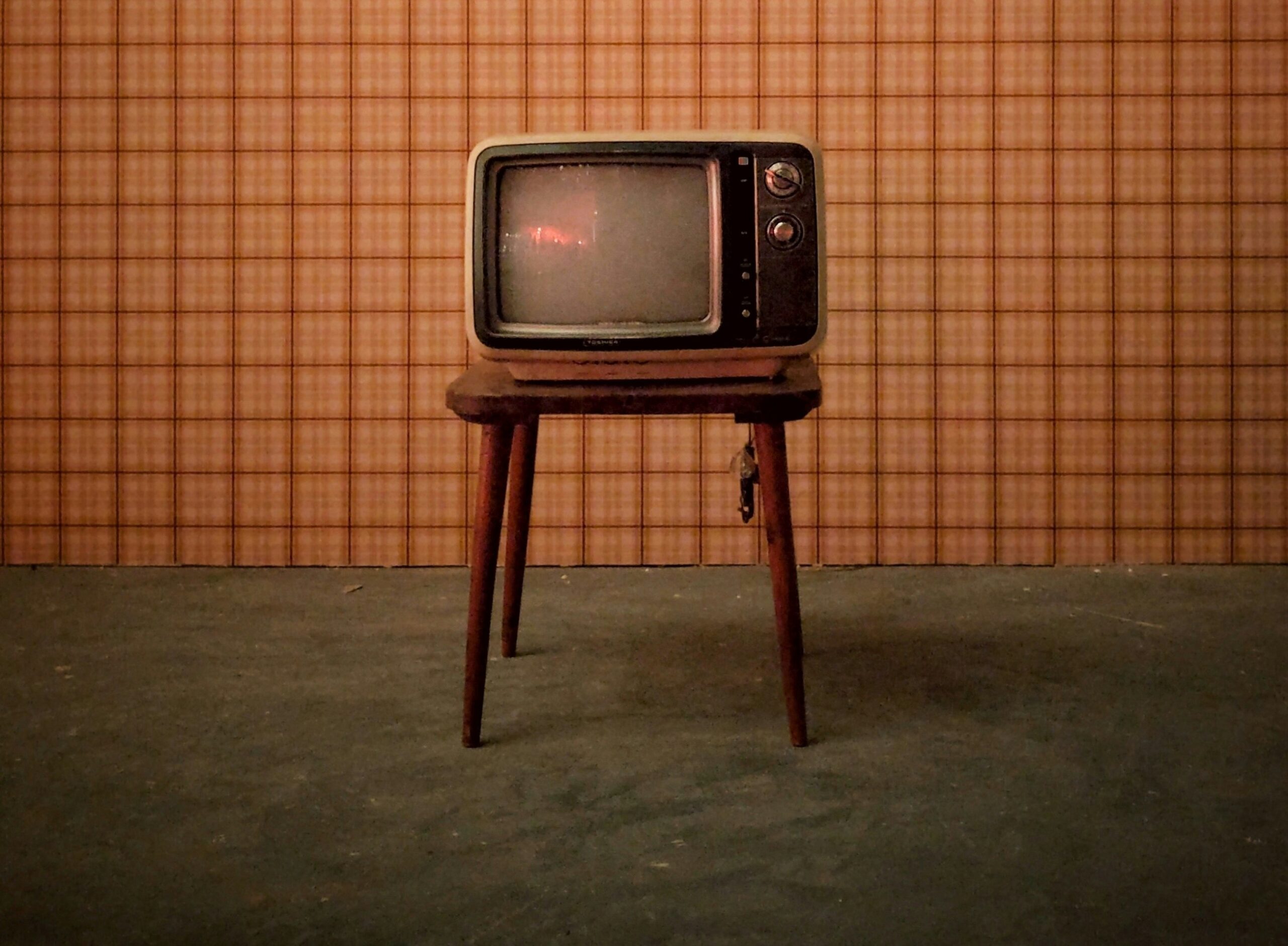
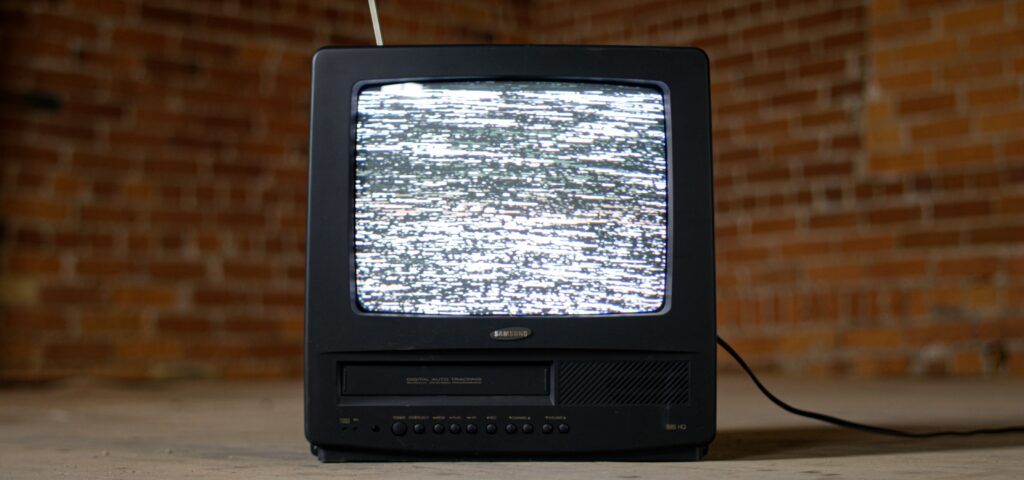
Before flat screens and widescreen formats, TV sets were small, boxy, and square.
Because of this, directors had to frame scenes differently than in cinema, which allowed for wider aspect ratios.
Early TV shows and films had to account for the limited size of the screen, ensuring that characters and action remained centrally focused to fit the square format.