






 Uncut Radio

The Big Screen Is Full. Kenyan Stories Need More Screens
Hollywood Dominates Kenyan Cinemas. Where Does That Leave Local Film?
Kenyan cinemas are not short of content this month.
Kenyan cinemas are packed with new releases. Although local films such as Tides are on the way, Hollywood continues to command most of the screens, leaving Kenyan productions with far fewer theatrical opportunities.
It is a full slate. Almost none of it is Kenyan.
That says as much about the state of Kenya’s film industry as any single headline.
Showmax’s Exit
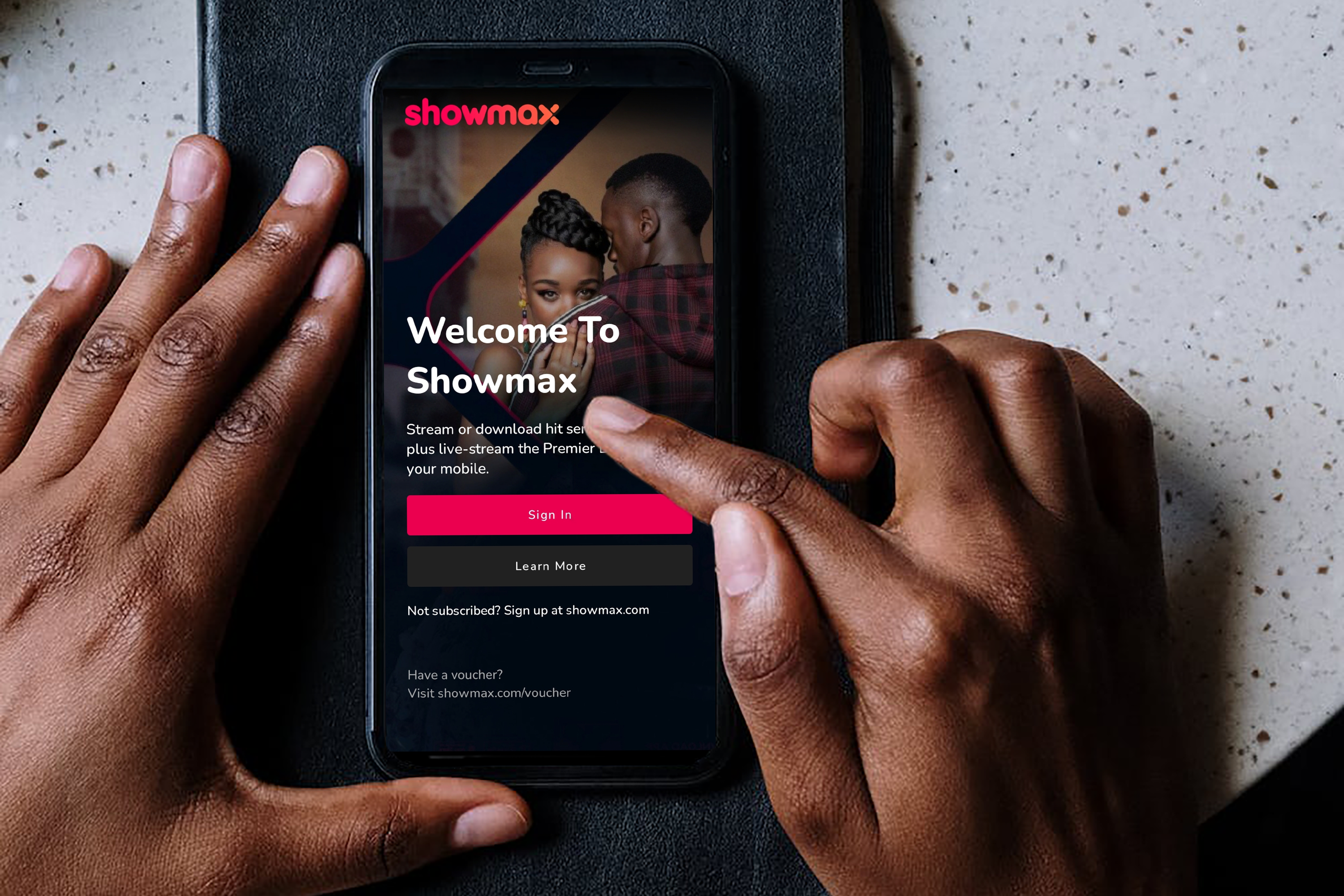
When MultiChoice Group announced plans to discontinue Showmax as a standalone streaming service across Africa, it marked the end of an important chapter for Kenyan film and television.
Since launching its first Kenyan Original, Crime and Justice, in 2021, followed later that year by Baba Twins, Showmax had become one of the country’s most significant commissioners of locally produced scripted content.
Over the following five years, the platform invested in more than two dozen Kenyan Originals, including Crime and Justice, Single Kiasi, Subterranea, Pepeta, Twende, The Mommy Club NBO, Adam 2 Eve, Big Girl Small World, and The Real Housewives of Nairobi.
It gave producers, writers, directors, actors, and crews an opportunity to tell Kenyan stories with budgets and audiences that had rarely existed before.
The decision to discontinue the standalone platform was driven by business realities rather than a lack of confidence in local storytelling.
In the year ending March 2025, Showmax’s losses widened by 88% despite a 44% increase in paying subscribers.
Following Canal+’s acquisition of MultiChoice, the company said the move would simplify its streaming strategy by integrating content into DStv Stream while placing greater emphasis on its broader pay-TV ecosystem.
Importantly, the content itself is not disappearing.
Showmax Originals are now available through a dedicated section within DStv Stream.
When the standalone service shut down on April 30, 2026, MultiChoice offered subscribers complimentary access to DStv Stream Compact through May before introducing a discounted promotional subscription.
What has become far less certain is the commissioning pipeline.
Streaming platforms do far more than distribute finished programmes.
They finance productions, commission original ideas, purchase completed films, and provide long-term opportunities for creative professionals.
Losing one of Kenya’s largest commissioners of original content inevitably means fewer opportunities for filmmakers to pitch projects, secure funding, and bring new stories to audiences.
Today, MultiChoice’s Kenyan content strategy relies largely on DStv and GOtv channels such as Maisha Magic Plus and Maisha Magic East.
While these channels remain important supporters of local productions, their programming focuses more heavily on telenovelas, reality shows, and comedy than the premium scripted originals that Showmax had been building.

Netflix Is Not Filling the Gap
The timing makes the transition even more difficult.
Netflix has not announced any Kenyan Original productions for release in 2026, while its African slate continues to focus primarily on South African and West African productions.
Although Kenyan films remain available through occasional licensing agreements and international festivals, there is currently no indication that Netflix intends to replace the commissioning role Showmax once played within Kenya.
That leaves Kenyan filmmakers with fewer major buyers than they had only a few years ago.
Streaming services are more than entertainment platforms,; they are investors.
Every original series or film represents jobs for actors, writers, cinematographers, editors, production designers, makeup artists, sound engineers, costume designers, transport providers, caterers, and hundreds of freelancers working behind the scenes.
When one of the largest buyers exits the market, the impact extends far beyond viewers.
The Industry Is Still Moving
Despite the challenges, Kenyan filmmaking is far from standing still.
Nje, a dystopian short film exploring corporate greed and funded by Docubox, is expected to begin filming before its planned 2026 release.
Giza Visuals continues developing Itifaki, an espionage thriller whose short-film version won two Kalasha Awards and earned an Africa Magic Viewers’ Choice Awards nomination.
The studio is also collaborating with Somalia’s Aro’or Films on Qahar.
Kenya is also receiving international recognition. The documentary Kikuyu Land, directed by Bea Wangondu and Andrew H. Brown and produced by Moses Bwayo, premiered in the World Cinema Documentary Competition at the 2026 Sundance Film Festival.
Recognition at home continues as well.
At the 14th Kalasha International Film and TV Awards, held on May 2, 2026, at Nairobi’s KICC, Nawi won Best Picture after leading the field with 14 nominations and five awards.
The talent is clearly there, ambition is there too.
What remains challenging is building sustainable systems for financing and distributing that work.
Several priorities stand out.
First, the industry needs to reduce its dependence on any single buyer.
When one platform commissions dozens of productions over several years and then changes direction, producers who relied heavily on that pipeline face an immediate funding gap.
Co-productions with broadcasters, streaming platforms, and production companies across Africa can spread that risk while opening access to larger audiences.
Second, Kenyan films deserve a stronger presence in local cinemas.
Cinema operators understandably schedule the films they believe will attract the largest audiences, and Hollywood franchises consistently perform well at the box office.
However, the limited theatrical opportunities available to Kenyan features mean producers lose valuable box-office revenue while audiences lose the habit of seeing local stories on the big screen.
Third, digital platforms such as YouTube, TikTok, and other short-form video services cannot replace the budgets provided by streaming commissioners, but they can provide an important bridge.
Advertising revenue, sponsorships, memberships, and mobile payment systems offer alternative income streams that allow smaller productions and emerging creators to continue producing content, particularly for younger audiences who increasingly consume entertainment on their phones rather than through traditional pay television.
Fourth, actors, writers, and production crews need stronger collective bargaining structures. A healthier industry requires more than individual contracts negotiated project by project.
Stronger professional associations can help establish minimum pay standards, improve working conditions, and negotiate fair compensation models with future broadcasters and streaming platforms.
Finally, government institutions and development partners,;, including the Kenya Film Commission and funding organisations such as Docubox have an opportunity to treat this moment as a strategic investment challenge rather than simply waiting for the private market to recover.
Streaming platforms around the world are facing profitability pressures, making public investment and development funding increasingly important in protecting local creative industries.
Showmax’s exit is undoubtedly a setback for Kenya’s film industry,; but it is not the end of Kenyan filmmaking.
The country’s storytellers continue to produce award-winning work, attract international recognition, and build new partnerships across Africa.
The challenge now is ensuring those stories have sustainable ways to be financed, distributed, and seen.
Until that happens, Kenyan cinema schedules will continue to tell a familiar story: theatres filled with global blockbusters, while many local productions struggle to find the screens, and the financial backing they deserve.
Limits of Traditional Television,
Now, traditional television remains an important outlet for Kenyan filmmakers, but it is unlikely to fill the gap left by Showmax on its own.
Broadcasters continue to commission local productions, particularly dramas, telenovelas, reality shows, and documentaries.
However, limited budgets and different programming priorities mean they cannot yet match the scale of investment that premium streaming platforms brought to original scripted content.