






 Uncut Radio

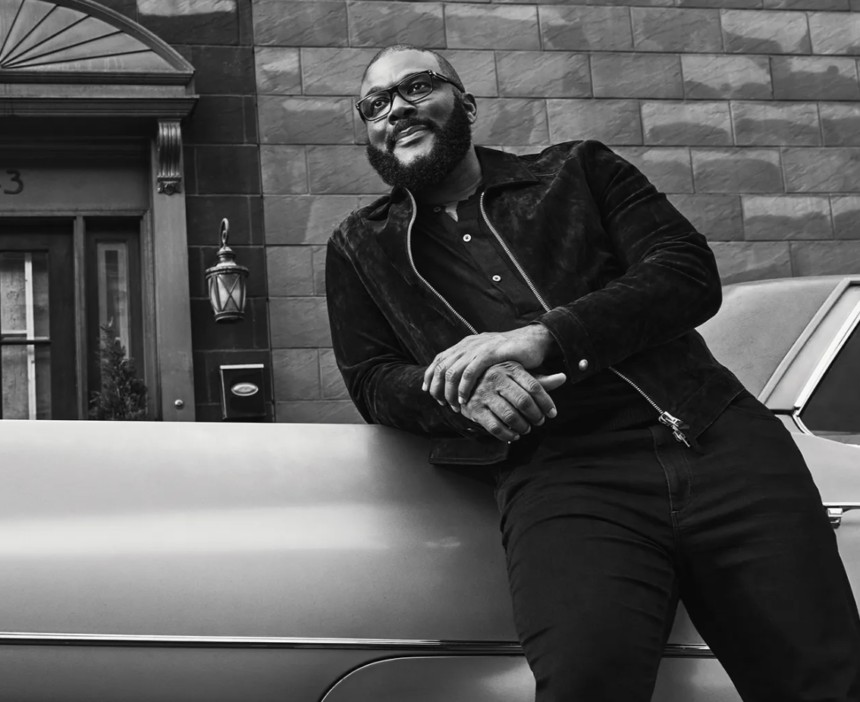

“Maxine’s Baby: The Tyler Perry Story,” is now streaming on Prime Video.
One month ago, when we posted the headline “Tyler Perry Tells His Story – From a Homeless Playwright to a Media Mogul,” – We held high expectations that the documentary would extensively cover Perry’s journey from being a homeless playwright to becoming a media mogul.
However, now that the documentary is out, our anticipation has turned into disappointment.
I must confess, I forwarded the documentary not just once but perhaps ten times as I watched it.
Read Our Review with Minimal Spoilers – Find the full review on IMDB

The anticipation for Amazon’s ‘Maxine’s Baby: The Tyler Perry Story’ led me to expect a detailed exploration of Tyler Perry’s upbringing, family life, and his journey in Hollywood.
However, the documentary falls short of expectations, offering only a few scenes where Perry discusses his early days in theatre and television production.
The storytelling lacks emotional openness, as Perry only briefly touches upon his abusive childhood—an evidently significant factor that played a role in shaping his life.
The content seems shallow, lacking the detailed insights that viewers were hoping for.
Perry, dressed impeccably in suits, offers little personal disclosure, leaving the audience wanting more substance and context.

The film raises the intriguing question of how Perry’s life would unfold without the pain that shaped him, yet it provides scant information on this crucial aspect.
Many stories are introduced but left unexplored, creating more questions than answers.
The documentary feels controlled, with a sense that certain narratives are carefully curated.
Despite occasional church services and choirs, there’s a lack of substantial content that viewers would eagerly want to know.
Perry’s criticism of the traditional Hollywood system’s wastefulness lacks conviction, and the documentary leaves unanswered questions about his creative process.
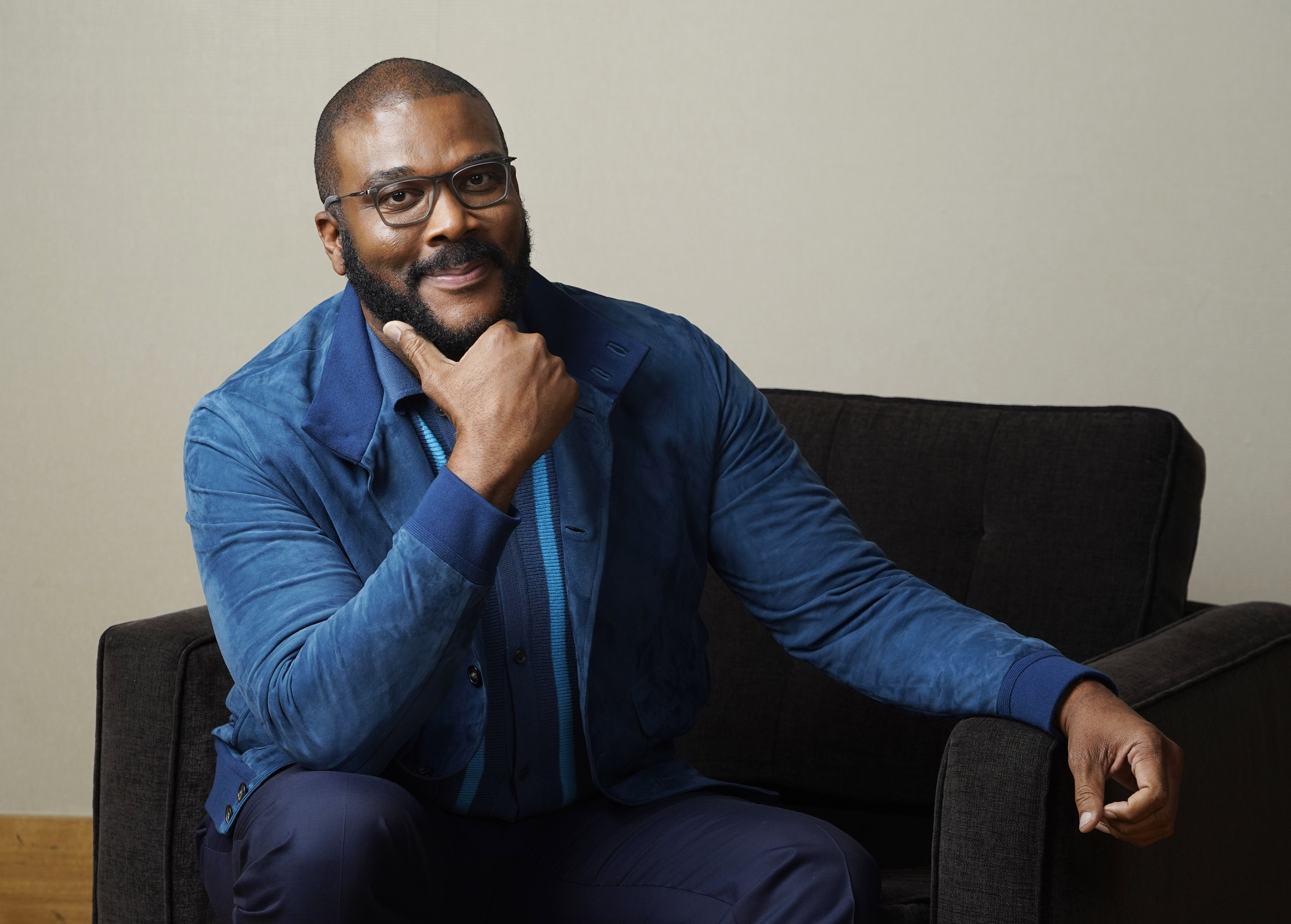
Occasionally, he superficially discusses his work, such as mentioning writing 20 scripts within a tight timeframe and the positive reception of his numerous shows.
However, he maintains a notable silence regarding his personal life.
The excessive focus on race, coupled with repetitive language, detracts from the overall impact.
The documentary’s repetitive nature, constant praise, and lack of in-depth exploration make it fall short of delivering the comprehensive and detailed account expected from such a prominent filmmaker’s story.