





 Uncut Radio

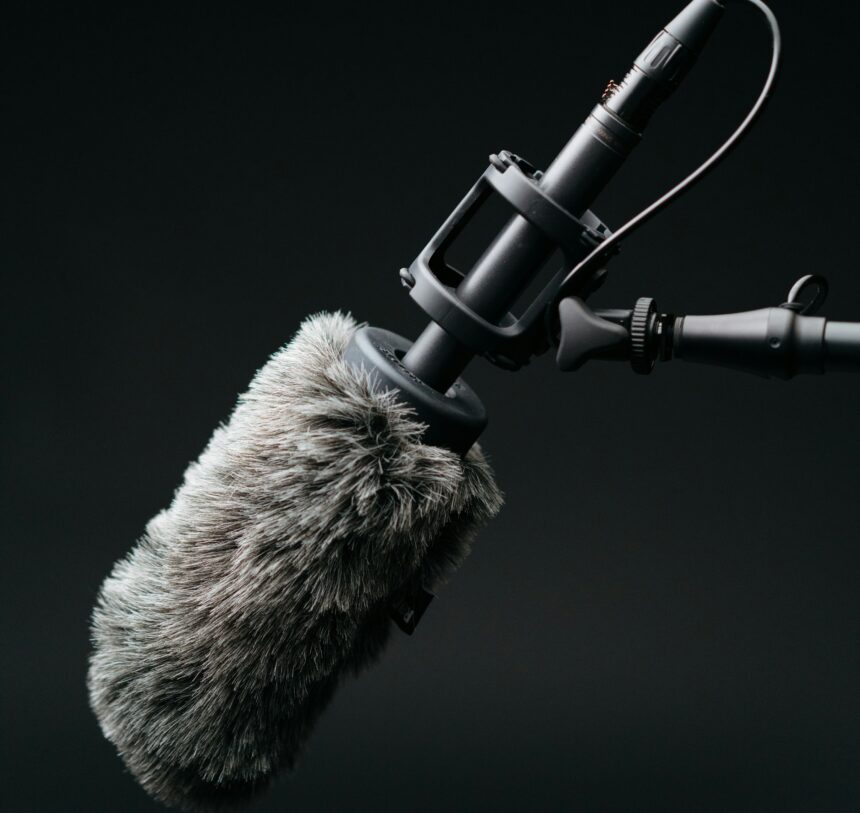
When it comes to producing high-quality films, TV shows, or digital content, many creators focus heavily on visuals, often neglecting one crucial element—sound.
However, sound can make or break the immersive experience, influencing mood, pacing, and emotional engagement.
Let’s start with the obvious one; Soundtrack.
If you’re anything like me, a great soundtrack can make you fall in love with a film or production even more. Some of the finest productions, like Mudbound and others, feature exceptional music that enhances the entire experience.
Soundtracks
A well-chosen soundtrack shapes the emotional tone of your project.
Practical Tip: Always match your soundtrack to the tone of your scene. For a dramatic moment, use strings or slow-tempo music to enhance emotion. For action, upbeat or fast-paced tracks add intensity. Tools like Soundstripe or Epidemic Sound offer royalty-free music you can incorporate without breaking the bank.
Dialogue Clarity
Clear, crisp dialogue is fundamental. If the audience struggles to hear or understand what’s being said, the production’s effectiveness crumbles, no matter how stunning the visuals are. Poor audio quality, such as echo or background noise, can distract viewers and take them out of the story.
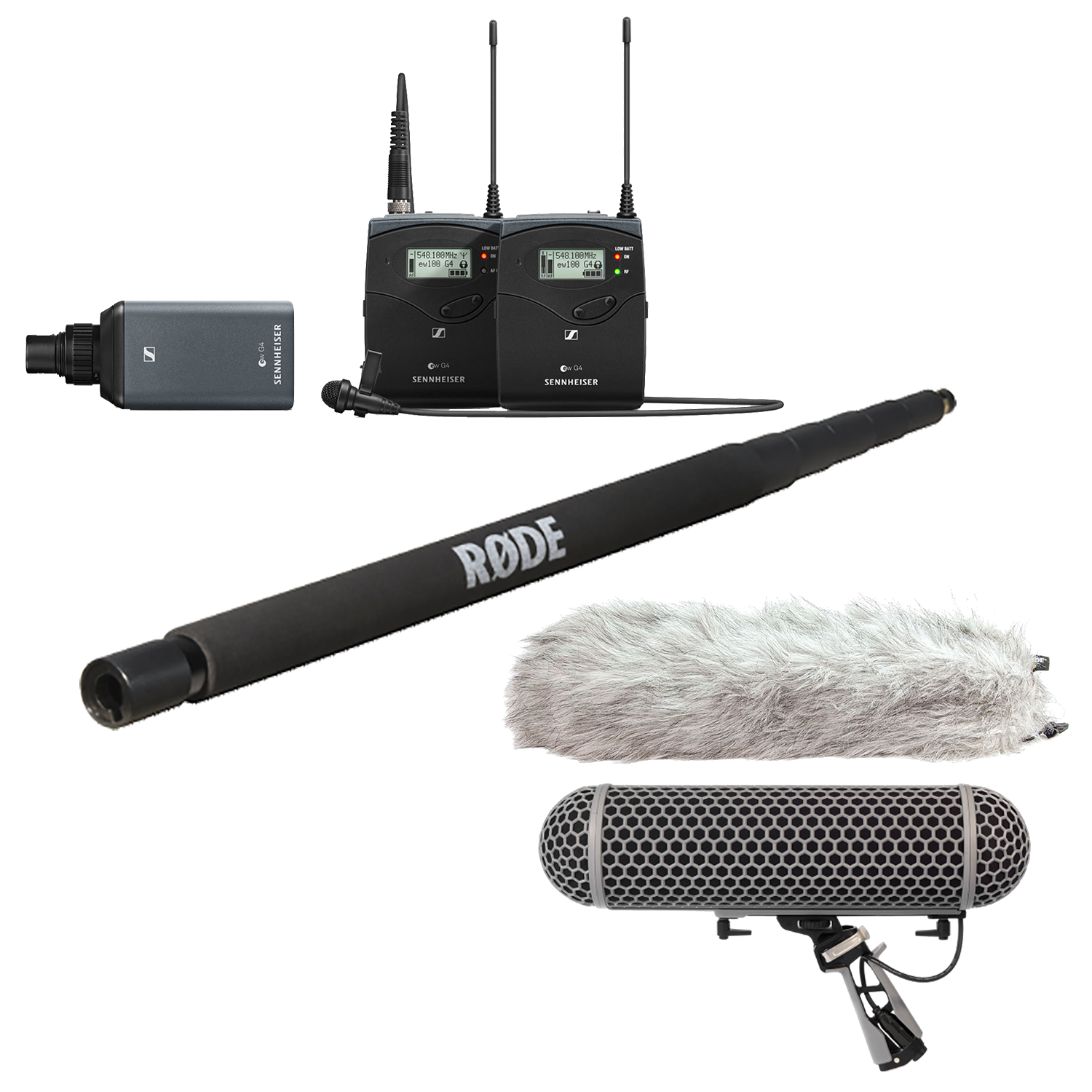
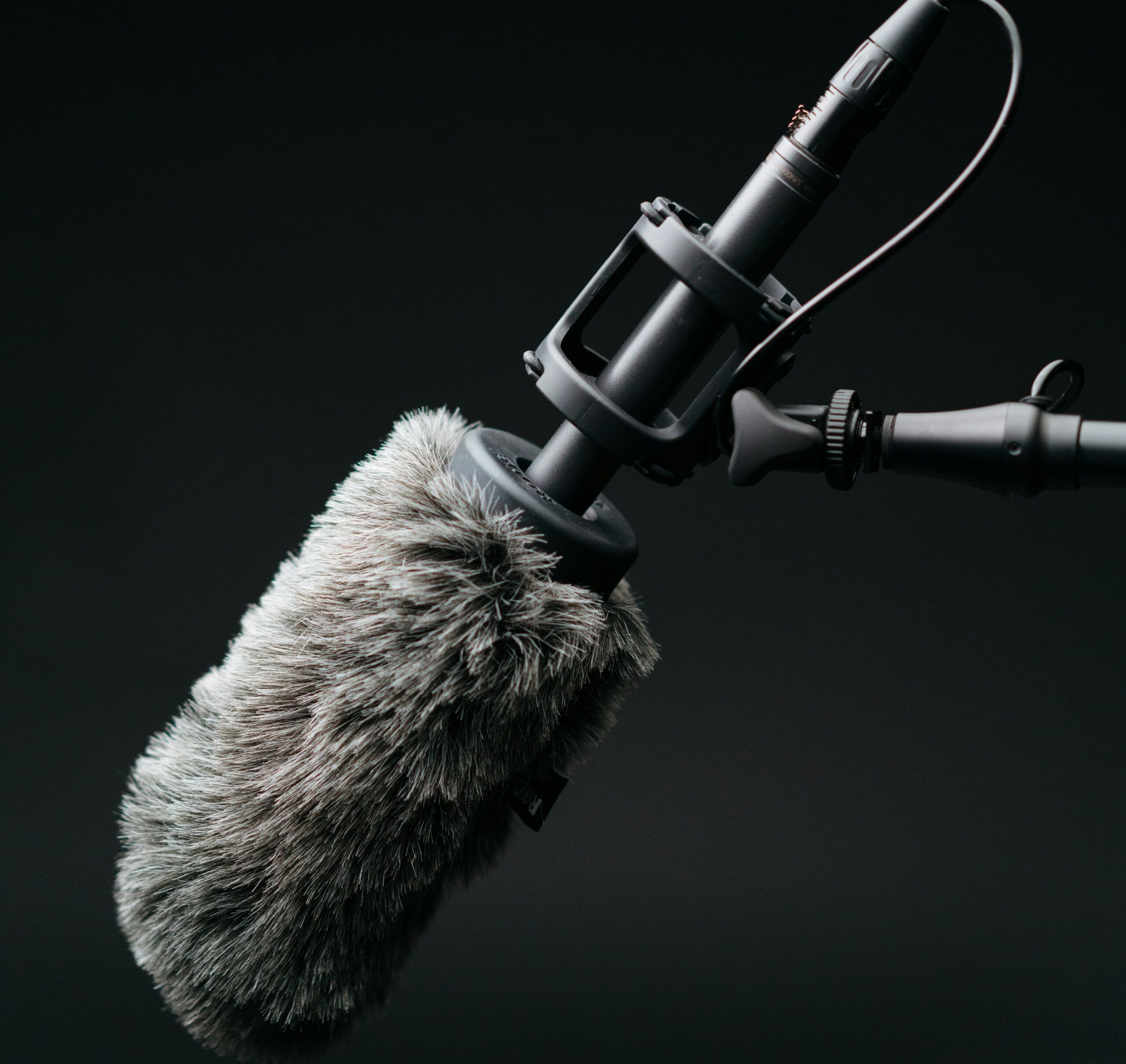
Practical Tip: Use lavalier or boom microphones to capture dialogue cleanly, even in noisy environments. Invest in a basic shotgun mic if you’re on a budget. Always monitor audio during filming and check for consistency in sound levels.
Sound Design: Creating Immersive Environments
Sound design refers to the use of effects to create a more immersive environment. Think of footsteps, rustling leaves, or distant sirens—these small details add depth and realism. They can also create mood. A creaking door in a horror film heightens suspense, while ambient café sounds in a rom-com set the stage for a warm, lighthearted moment.
Practical Tip: Record ambient sound on set, or use sound libraries like FreeSound or Artlist to add extra layers. Be selective, ensuring every sound effect enhances the atmosphere instead of overwhelming it.
The Power of Silence
Just as important as sound is its absence. Silence, when used effectively, can heighten tension, create anticipation, or deliver a powerful emotional punch. Directors use silence masterfully to build suspense before a major event, allowing the audience to focus intensely on the visual elements.
Practical Tip: Don’t overload every scene with sound. Know when to dial it back and let silence speak. In editing, reduce background noise to let natural moments breathe, giving your scenes more emotional impact.
Balancing Sound Levels
Balancing audio levels is also very important. The music shouldn’t drown out the dialogue, and sound effects should complement—not compete with—each other. An uneven sound mix can make your production feel amateurish and difficult to watch.
Practical Tip: Use software like Adobe Audition or Audacity to adjust and balance your audio layers. Ensure your music track sits lower in the mix than your dialogue and sound effects. Pay attention to how sound levels change from scene to scene—keep them consistent throughout the production.
ADR and Foley
Sometimes, audio captured on set isn’t perfect, especially in action-heavy scenes or challenging locations. This is where ADR (Automated Dialogue Replacement) and Foley come into play. ADR allows you to re-record dialogue in a studio setting, while Foley adds sound effects post-production..
Practical Tip: For indie filmmakers, basic ADR setups can be achieved with a microphone and soundproof space. Foley work can be done in a home studio using everyday items. For instance, a pair of gloves can mimic footsteps on gravel when recorded correctly? Yeah.
Sound as a Narrative Tool
Sound can drive the narrative, not just accompany it. For example, in horror films, soundscapes often reveal what’s coming before it happens—a low rumble signaling a monster approaching. In dramas, a sudden halt in background music can signify a pivotal moment. Sound cues can also help transition between scenes.
Practical Tip: Use sound to reinforce storytelling. If a character is about to make an important decision, subtle audio changes can signal the shift before it’s revealed visually. Experiment with different audio layers in your editing software to find the perfect blend.
Practical Tools for Sound Editing
Getting the right equipment and software doesn’t need to be expensive. If you’re a beginner or working on a low-budget project, there are plenty of affordable or even free options available.
Practical Tip:
- For recording sound: The Zoom H5 and Rode VideoMic Pro offer high-quality sound at a reasonable price.
- For editing: Free software like Audacity or GarageBand can get the job done, while Adobe Audition is a great investment if you want more advanced tools.
- For sound effects: Explore free libraries or create your own with a basic recording setup.
Sound isn’t just a supporting element in production—it’s a key player. Are you filming an indie short, a YouTube series, or a full-fledged movie?
Well, mastering sound can literally upgrade your content from amateur to professional.
Invest time in your sound design, and you’ll craft productions that leave a lasting impact on your audience.