





 Uncut Radio

AI in Film Faces Copyright Gray Areas
Generative AI is shaking up Hollywood and the world not just in how films are made, but in how they’re protected.
Motion picture works that incorporate AI now face serious challenges when it comes to copyright registration and chain of title.
While full AI-assisted films may be eligible for copyright, individual AI-generated elements like background images or character art might not qualify.
That’s because U.S. copyright law still demands clear proof of human authorship.
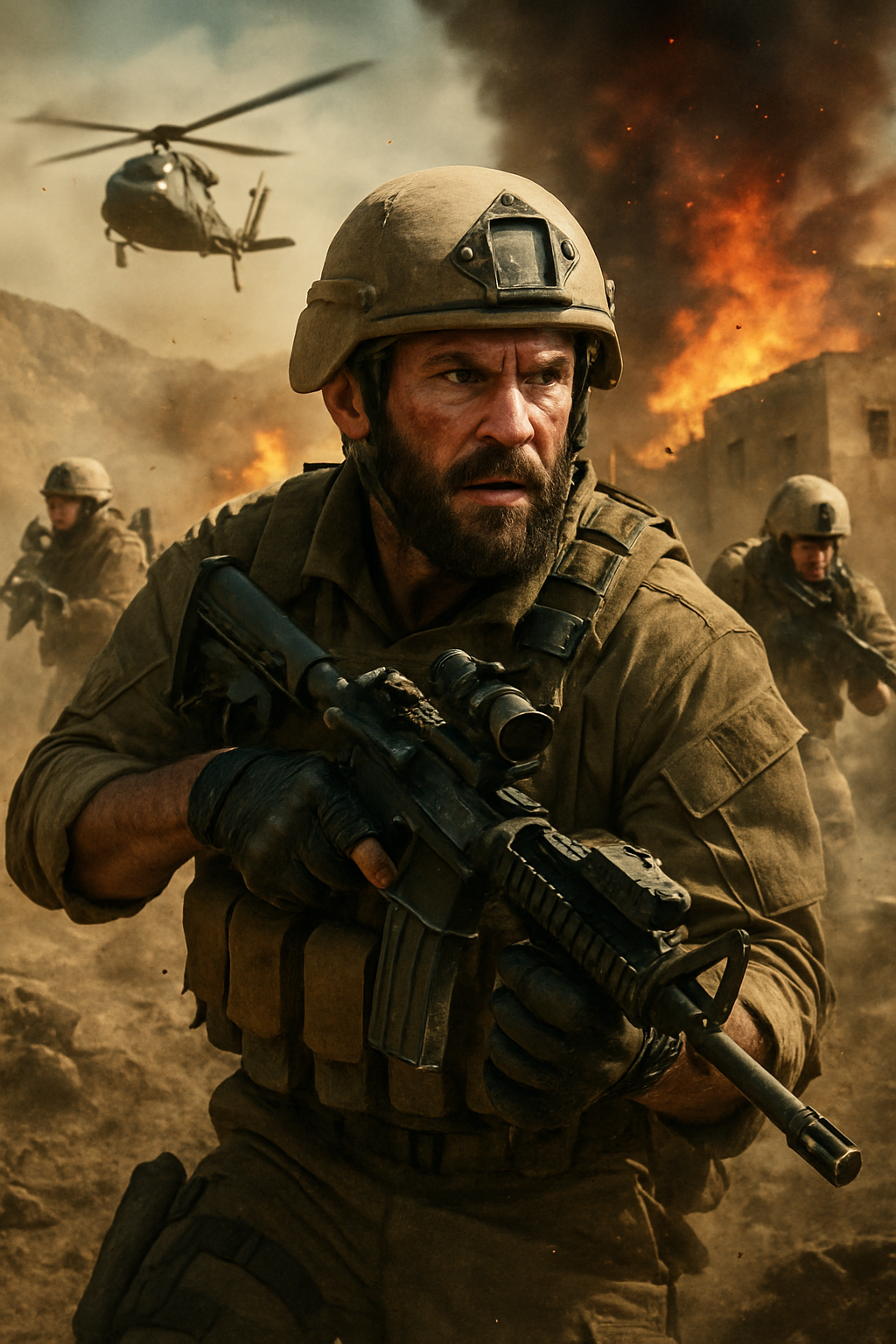
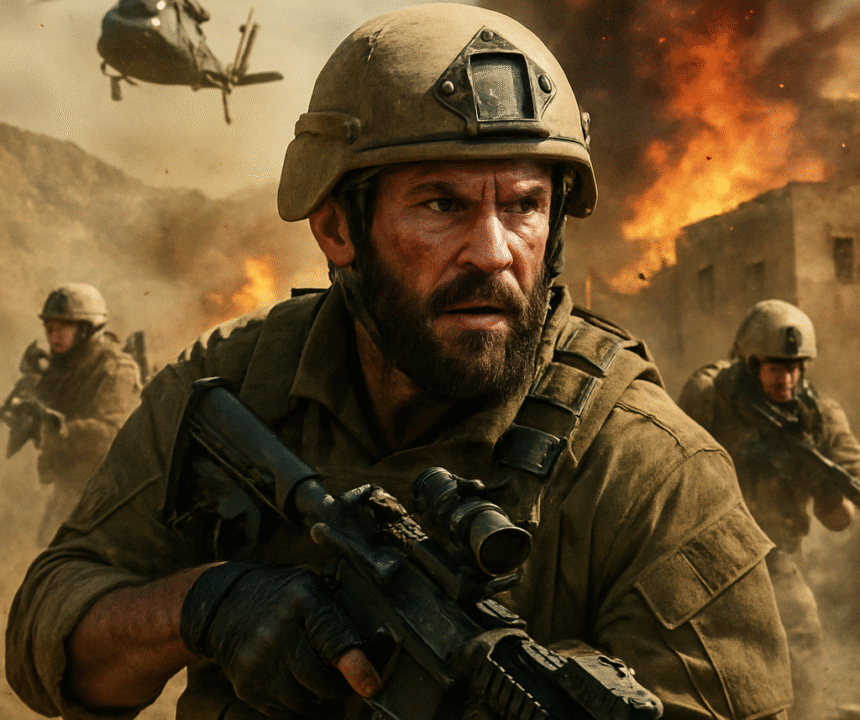
AI Generated Image – Sora/ChatGPT
So far, there’s no blanket rule, every project is evaluated case by case.
To meet this standard, producers are documenting their workflows in detail.
Studios are using tools like ComfyUI and Figma boards to track how AI is used and where human input plays a role.
For example, in the short film Critterz, raw DALL·E images were excluded from registration unless significantly edited.
Studios are also training AI models using original human-created assets to boost their chances of securing copyright protection.
But even then, anything the AI generates beyond what’s visually rooted in original artwork may still be excluded.
This uncertainty has many major studios hesitant.
If a film includes too many unprotectable AI elements, it could weaken its intellectual property value and create risks for distributors and licensors.
As AI tools evolve, so too will copyright law.
Until then, indie filmmakers are leading the charge in moving around this complex, high-stakes space.
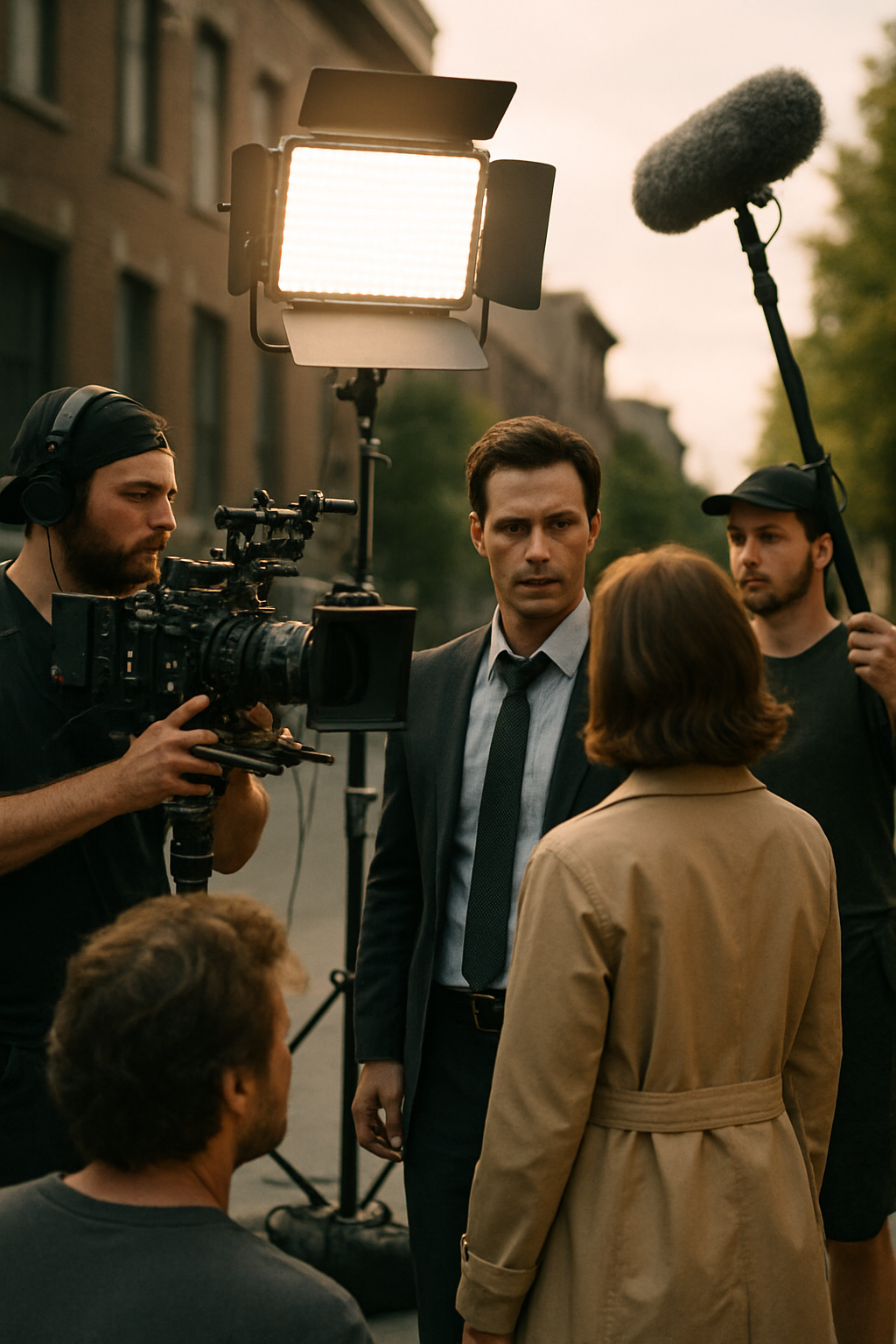
AI Generated Image – Sora/ChatGPT
AI is already changing the way movies are made and watched.
Some filmmakers are using it throughout the entire process, from writing scripts and planning scenes to creating effects, editing and even helping with distribution.
Nearly half of film professionals already use AI for tasks like scriptwriting, casting, and editing.
Attitudes toward AI in film are becoming more positive, but its use is expected to grow regardless.
AI mainly helps speed up and cut costs in filmmaking, though creative experiments are ongoing.
There are still no clear rules, putting the industry at a crossroads.
AI is rising fast, but the impact on human creativity remains uncertain.
Copyrighting AI-assisted film and TV is complicated because current laws require a human author, making it unclear who owns content created with AI.
Disputes can arise when multiple people and tools contribute, and rules vary across countries.
The U.S., for example, won’t grant copyright to AI-generated work without human input.
Ethical concerns also emerge, especially when AI is used to mimic real actors without consent.
As AI use grows, the legal and creative lines remain blurry.