






 Uncut Radio

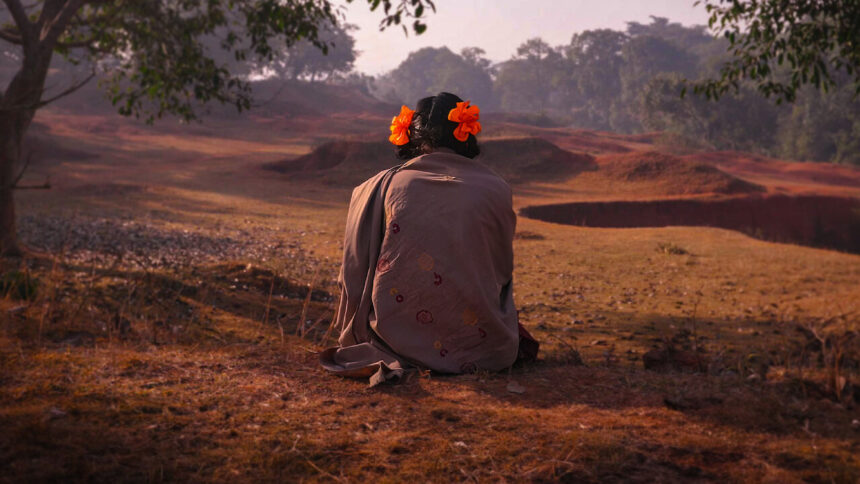
Indian farmer Ranjit takes on a battle of his life to get justice for his daughter, 13, who was raped by a vicious gang of 3, one of them is a family member.
His path is unparalleled, and his decision to support his daughter is essentially unheard of.
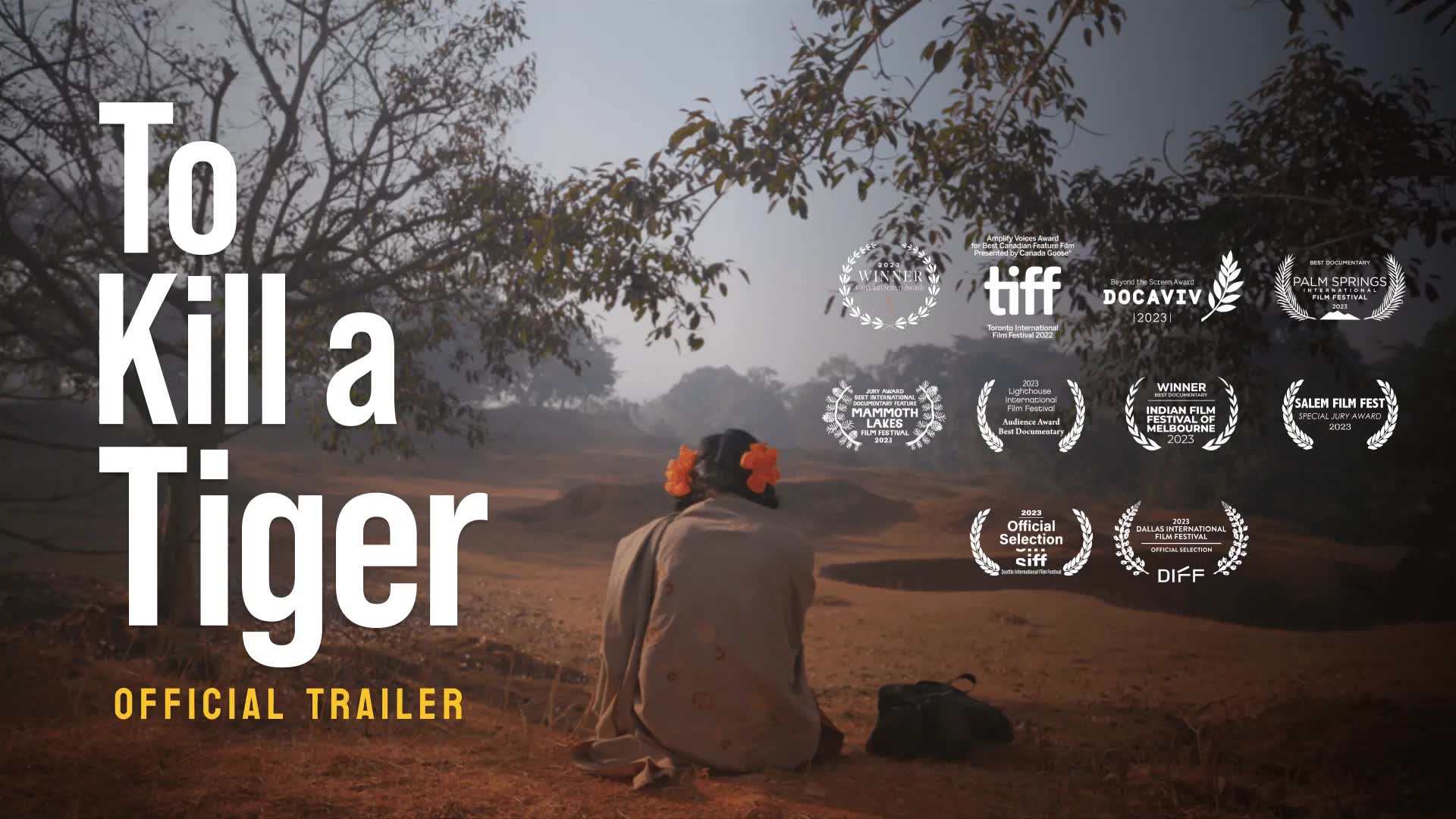
This documentary follows the legal battle for the 2017 gang rape of a 13-year-old girl in rural Jharkhand, India.
It centers on Ranjit, Kiran’s (a pseudonym) father, as he works to punish the three local teenagers—including her first cousin—who sexually assaulted her.
The part in the documentary where the entire community blames the girl of being responsible for the rape is what’s atrocious. Typically just like in the majority of global regions. “How were you dressed?” and “A woman begs for disdain.”
How it happened
While attending a family wedding, the girl was sexually assaulted. Throughout the documentary, you will get to here how the 3 men violently raped her, beat her up and left her in the bushes in the middle of the night.
The father is questioned by local authorities, “Why didn’t she leave early?” He’s dubbed “a loser” by some.
A solution is presented in which the village chief and other local authorities determine that the girl is now tarnished and unclean, advising her to wed one of her attackers as a way to fix the matter because “no one will want to marry her they say.”
She has to live with one of them, which is perceived as a punishment for the man since they discolored her.
The villagers menacingly intimidate the parents for their decision to document their journey seeking justice, which chronicles their daughter’s harrowing ordeal, including the toll it takes on her mental health and the shame and stigma she endures. They make chilling threats, such as; “They want to burn his house, even kill his family.”
In the eyes of the villagers, the parents are seen as social pariahs for deviating from the established norms by pursuing justice for their daughter.
Traditionally, such cases are handled by local elders, and it is uncommon for women to even come forward and report instances of sexual violence. They question, “What will a jail sentence help with?”
Throughout the duration until their case is heard, the parents persist ingoing through the congested court system, which often necessitates offering bribes to officials sometimes.
Consequently, the young girl is compelled to continually recount her traumatic experience to authorities, supporters, and even those who scrutinize her with harsh judgment.
In summary, the documentary “To Kill a Tiger” culminates in the 3 rapists being sentenced to 25 years in prison.
This verdict triggers a shift in the community’s perception of rape, prompting many women to bravely step forward.
As a result, the young girl is finally able to afford a genuine smile.
“To Kill a Tiger” was nominated for an Oscar Award this year, competing against “Bobi Wine: The People’s President” from Uganda and “Four Daughters.” However, “20 Days in Mariupol” clinched the award for Best Documentary Feature.
“To Kill a Tiger” – Now Streaming on Netflix