






 Uncut Radio

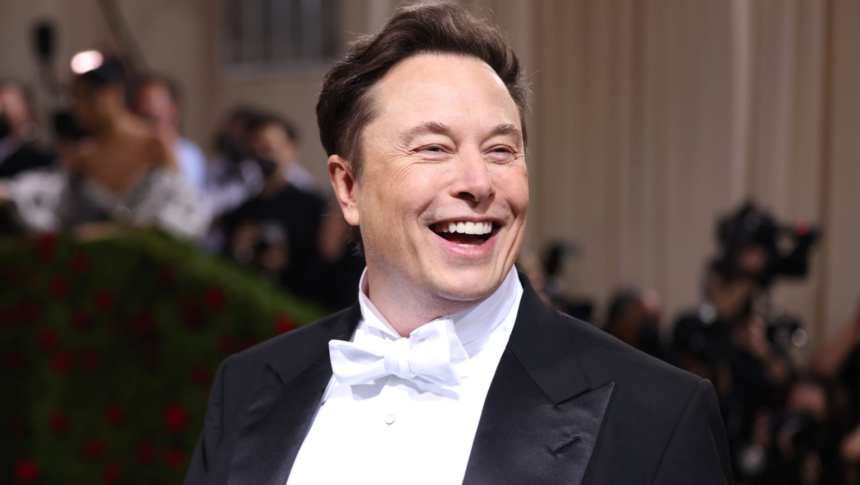
In a surprising move, Elon Musk, renowned entrepreneur and CEO of Tesla, has taken steps to limit user activity on Twitter.
In a tweet, Elon Musk announced that unverified users would have a daily limit of 1,000 tweets, while verified users would have a limit of 10,000 tweets.
This decision has raised eyebrows among advertising executives and sparked speculation about Musk’s long-term strategy.
As someone who has openly expressed his disdain for advertising, Musk’s actions not only challenge the traditional revenue model of social media platforms but also reflect his broader vision for the future of AI companies.
Like other major social media platforms such as Meta (formerly Facebook) and Google, Twitter primarily generates revenue through advertising.
The more time users spend on the platform, the more ads they are exposed to, contributing to Twitter’s financial success.
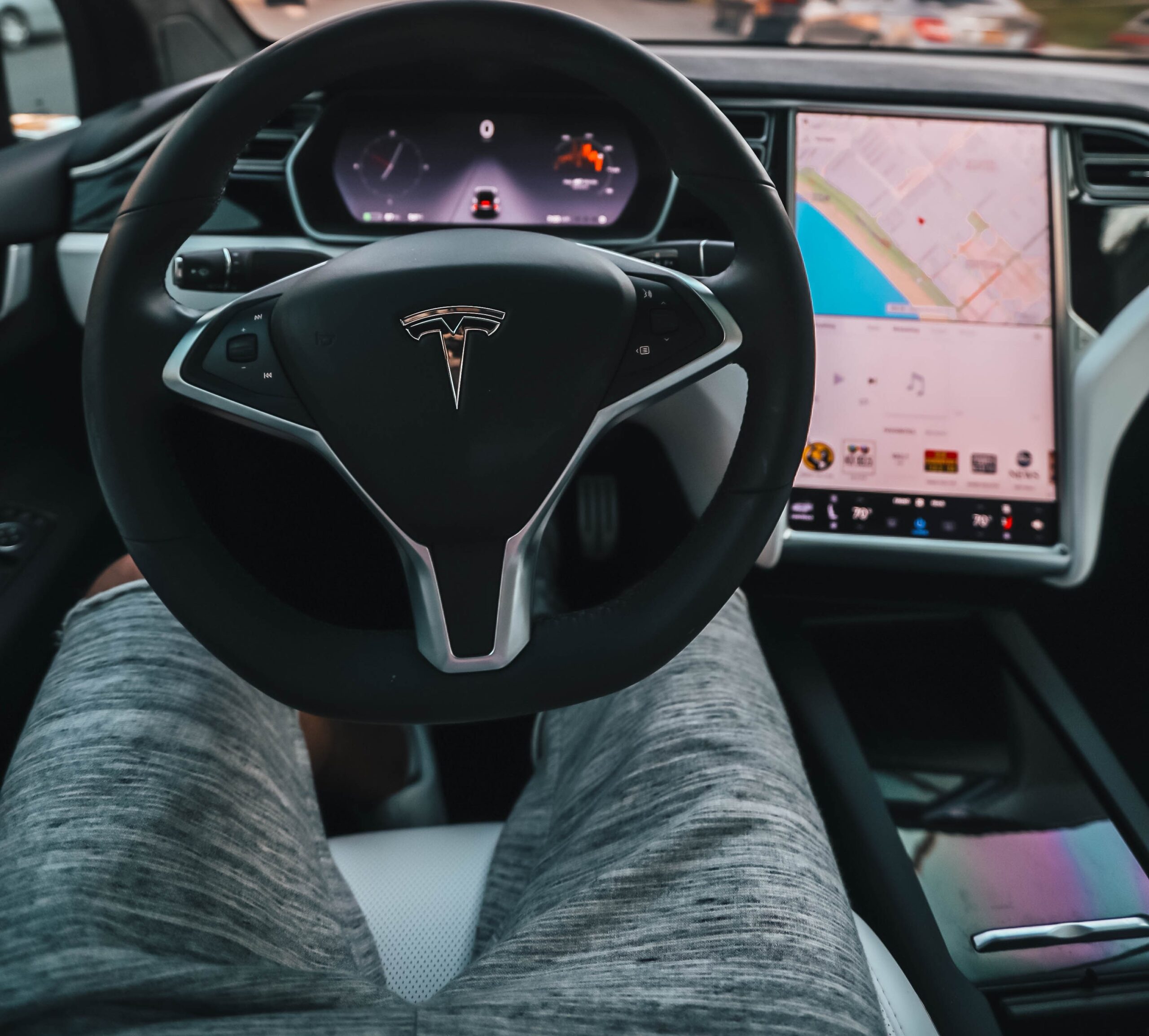
Musk has historically distanced himself from advertising, with Tesla famously abstaining from traditional ad campaigns.
In a tweet from 2019, he expressed his disdain for advertising, highlighting his differing perspective on the role of ads in the digital realm.
Despite his aversion to advertising, Musk’s recent acquisition of Twitter signifies a recognition of the platform’s reliance on ad revenue.
This acquisition suggests that Musk is eager to explore alternative revenue streams for the platform.
By diversifying Twitter’s income sources, he aims to reduce the influence of advertisers on social media companies’ moderation policies and decision-making processes.
Beyond his quest for new revenue streams, Musk’s actions also tie into his ongoing battle with AI companies.
While AI plays a crucial role in many aspects of technology, Musk has expressed concerns about its potential risks and believes that AI companies should be regulated to mitigate those risks.
By asserting more control over Twitter’s user experience and content moderation, Musk aims to challenge the dominance of AI-driven algorithms that can potentially amplify harmful or misleading content.
Elon Musk’s recent restrictions on Twitter’s user activity reflect his deep-rooted distaste for advertising and his desire to explore alternative revenue streams.
By challenging the advertising-driven revenue model, Musk aims to reduce the influence of advertisers on content moderation decisions.
Elon Musk, as a businessman, shows little concern for advertising and feels empowered to make any desired changes to Twitter.