





 Uncut Radio

YouTube Is Outpacing Africa’s Streaming Giants
Africa’s streaming wars have produced an unlikely winner, and it isn’t a subscription service at all.
As Showmax shuts down, Netflix scales back its African commissioning, and Prime Video and Paramount pull further out of the continent,
YouTube has become the platform absorbing the audience, the content, and increasingly the money that premium streamers are leaving behind.
The scale of the change is stark in Nigeria, the continent’s largest entertainment market.
According to industry data cited by Rest of World, Nigeria counts 31.6 million YouTube users, compared with roughly 169,000 Netflix subscribers.
Nollywood-focused YouTube channels reportedly generated between $10 million and $15 million a month in 2024, translating to $120 million to $180 million annually, a figure projected to approach $200 million in 2025.
By comparison, Netflix, Amazon, and Showmax combined are estimated to have paid Nollywood only $30 million to $50 million in licensing fees over the same period.
Streaming analysts at 3Vision put hard numbers behind the trend at a regional level, forecasting that YouTube will generate $128 million in Nigerian advertising revenue in 2026, growing to $279 million by 2031, more than Netflix’s entire subscription business across the rest of Sub-Saharan Africa outside South Africa.
The subscription collapse that created this opening has been swift.
Showmax, once positioned as Africa’s homegrown answer to Netflix, was shut down by Canal+ at the end of April 2026 after 11 years and a reported $522 million in cumulative losses.
Its final financial year alone recorded trading losses of roughly R4.9 billion, an 88 percent worsening from the year before.
IROKOtv, once dubbed the “Netflix of Africa,” had already spent over $100 million before exiting the market in 2023.
Prime Video stopped commissioning African originals in January 2024.
Former Showmax publicist Kevin Kriedemann, who worked with the streamer since its first original series, Tali’s Wedding Diary, in 2017, says what’s missing is curation.
Kriedemann responded by challenged himself to watch one African film a day throughout May, curating his picks in a YouTube playlist.
Nineteen of his first twenty selections were available on YouTube, free of charge, representing films from 15 African countries with a combined 180 million YouTube views, including Oscar nominees and winners from Berlin, Cannes, IDFA, and Sundance.
These aren’t good African films; they are good films. Period,” Kriedemann said,
noting that YouTube now reaches more people globally than Netflix and Spotify combined.
His conclusion was as much a critique as a celebration:
African content, he argues, is better than it has ever been, yet there are fewer buyers for it than before.
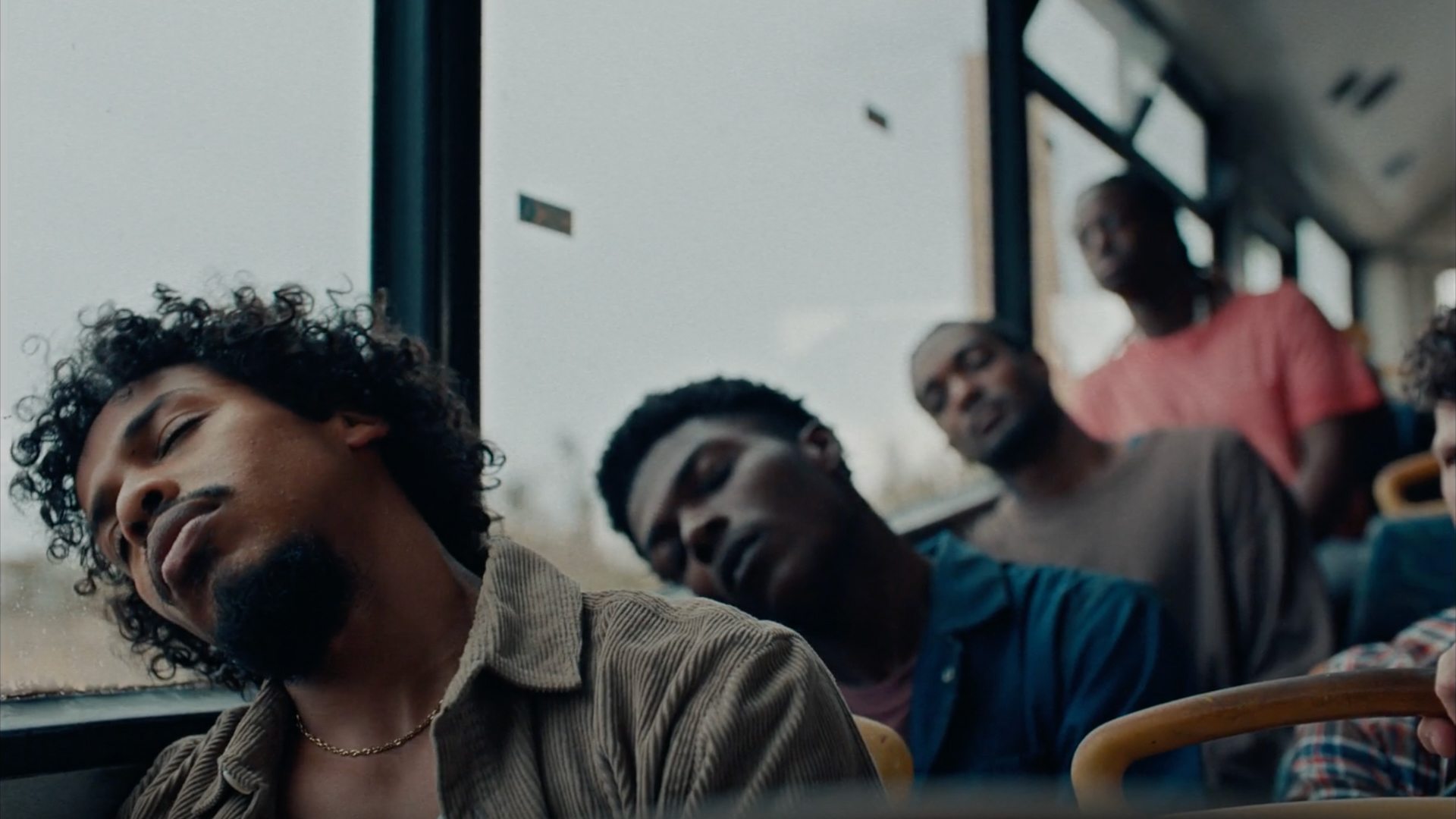
Even acclaimed titles like, Timbuktu, are currently unavailable to stream in South Africa through conventional platforms.
The reasons YouTube fits the African market so well are structural rather than accidental.
Content is free, removing the affordability barrier that has repeatedly undercut subscription models across the region.
Creators retain control over their content and revenue, sidestepping the licensing negotiations that left platforms like Showmax bleeding cash.
And YouTube’s mobile-first, ad-supported model aligns with a region where prepaid mobile money, rather than auto-renewing credit cards, dominates payment behaviour, and where subscription cancellations spike the moment a hit show ends.
The best African films and shows remain scattered across dozens of individual channels, easy to miss even when they’re free to watch, because nothing surfaces them the way a streaming platform’s homepage or algorithm would.
The next opportunity in African streaming may lie not in building another subscription platform to compete, it may instead lie in organizing the vast, already-free library that YouTube has become almost by default.
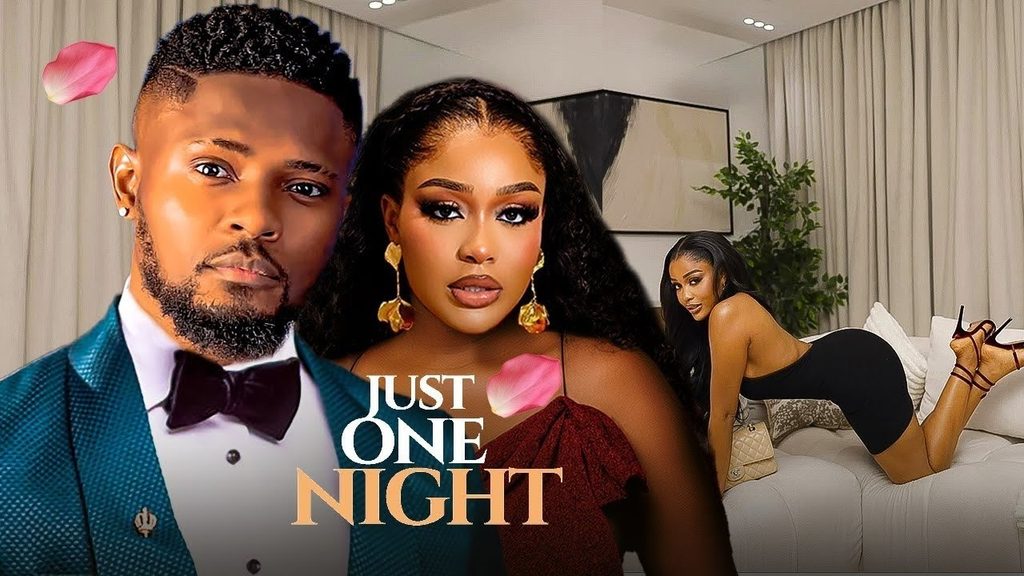
YouTube is Nollywood’s Primary Distribution Engine,…
Established filmmakers and independent creators are increasingly bypassing traditional theatrical runs to upload high-definition content directly to the platform.
This ecosystem is powered by three major distribution streams:
- Star-Led Channels: Digital networks like Uche Jombo TV draw millions of views by streaming modern romantic dramas straight to consumers.
- Legacy Studios: Mainstays like Royal Arts TV and Nollywood Picturestv upload cinematic-grade, multi-part features on a weekly basis.
- Digital Aggregators: Syndicates like ZOKEtv organize thousands of fresh releases into genre-specific playlists, optimizing the content for global audiences.
This post-2023 streaming boom delivers 4K cinematography, improved sound design, and localized subtitling.